

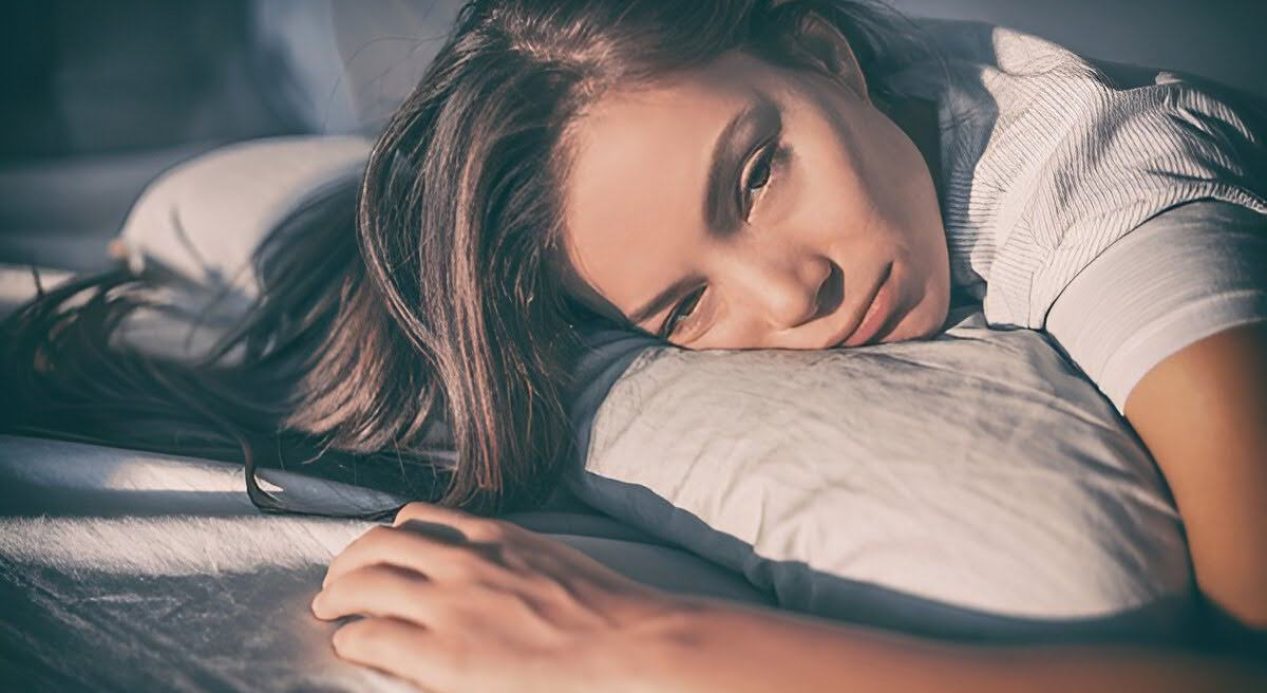
We often hear the term “beauty sleep,” but it’s more than just a saying. Sleep plays a crucial role in maintaining healthy, glowing skin. When you consistently miss out on proper rest, your skin is usually one of the first places where it shows. Over time, this lack of sleep can gradually affect your overall skin health and appearance in ways you might not immediately notice.
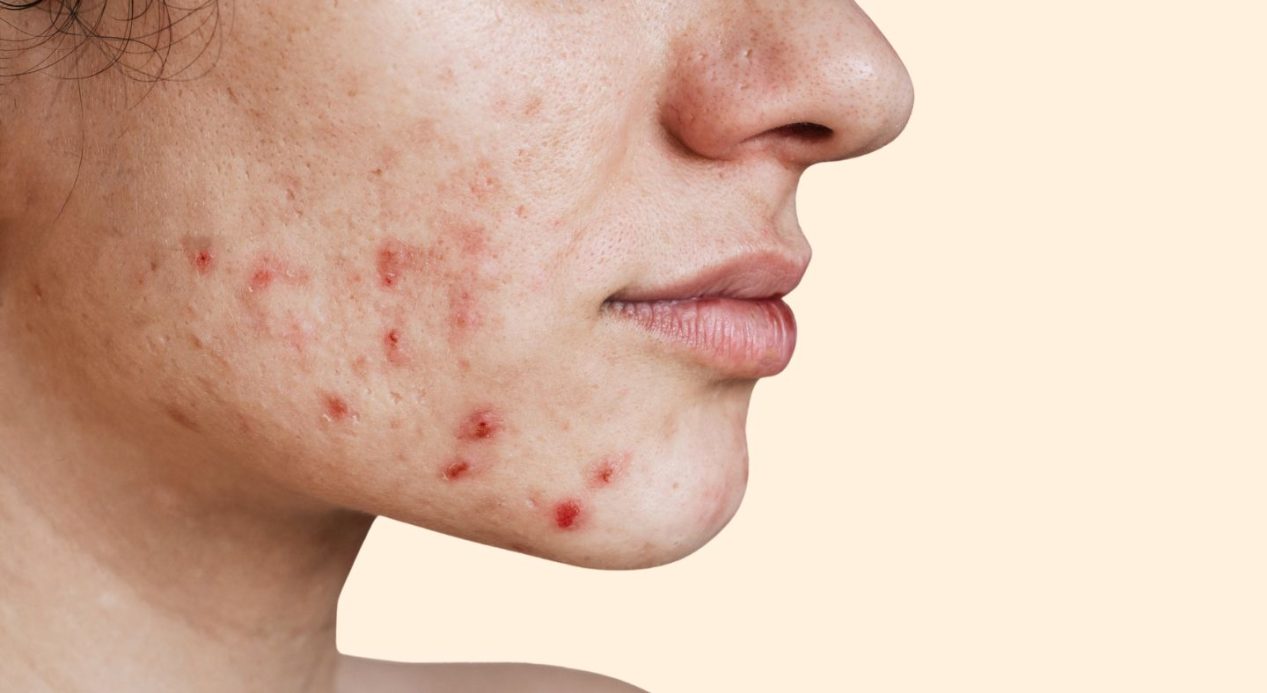
Increased Breakouts and Acne
Lack of sleep can trigger an increase in stress hormones like cortisol. When cortisol levels rise, your skin produces more oil (sebum), which can clog pores and lead to acne breakouts. If you’ve noticed more pimples after late nights, this could be the reason behind it. In addition, ongoing sleep deprivation can make it harder for your skin to heal, causing breakouts to last longer than usual.
Dull and Tired-Looking Skin
Your skin repairs and regenerates itself while you sleep. Without enough rest, this process is disrupted, resulting in a dull, uneven complexion. Blood flow to the skin also decreases, which can make your face look pale and lifeless instead of fresh and radiant. This is why well-rested skin often appears naturally brighter and healthier without needing much makeup.
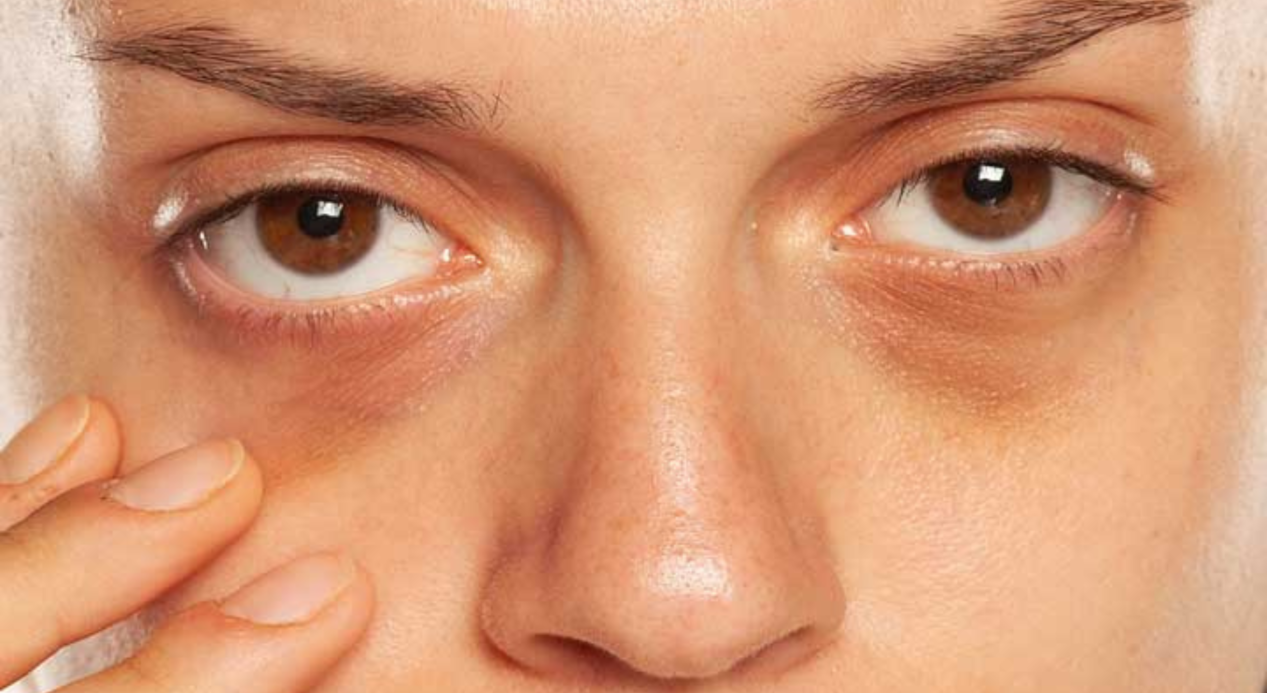
Dark Circles and Puffy Eyes
One of the most visible effects of sleep deprivation is under the eyes. Poor sleep causes blood vessels under the eyes to dilate, leading to dark circles. At the same time, fluid retention can cause puffiness, making you look more tired than you actually feel. These under-eye concerns can become more noticeable over time if your sleep pattern doesn’t improve.
Faster Skin Aging
Sleep is essential for collagen production, the protein responsible for keeping your skin firm and youthful. When you don’t get enough sleep, collagen breakdown increases, which can lead to fine lines, wrinkles, and sagging skin over time. In short, lack of sleep can speed up the aging process. Consistent sleep deprivation may even reduce your skin’s ability to bounce back from daily environmental stressors.
Weakened Skin Barrier
Your skin barrier protects against environmental damage, pollution, and bacteria. Sleep deprivation weakens this barrier, making your skin more sensitive, dry, and prone to irritation. This can worsen existing skin conditions like eczema or redness. As a result, your skin may also become more reactive to skincare products that it would normally tolerate.

How to Improve Your Skin Through Better Sleep
Getting 7–9 hours of quality sleep each night is key to healthier skin. Try maintaining a consistent sleep schedule, reducing screen time before bed, and creating a calming nighttime routine. Small changes in your sleep habits can lead to noticeable improvements in your skin’s appearance. You can also support your skin further by staying hydrated and keeping your bedding clean to reduce irritation.
You can also try using silk or satin pillowcases, which create less friction on your skin and help reduce irritation, creasing, and even moisture loss overnight. This small change can make a noticeable difference, especially if you have sensitive or acne-prone skin. Additionally, keeping your room cool, dark, and quiet can significantly improve your sleep quality, allowing your skin to fully repair and regenerate without disruption. Creating a relaxing bedtime environment—such as limiting caffeine intake in the evening or practicing simple wind-down habits—can further support deeper, more restorative sleep for healthier-looking skin.
Final Thoughts
Your skincare routine doesn’t stop at serums and moisturizers as sleep is also important. If you want clearer, brighter, and more youthful skin, prioritizing rest might be the simplest (and most effective) beauty hack you can adopt. Think of good sleep as a natural treatment that works overnight to restore and protect your skin.