

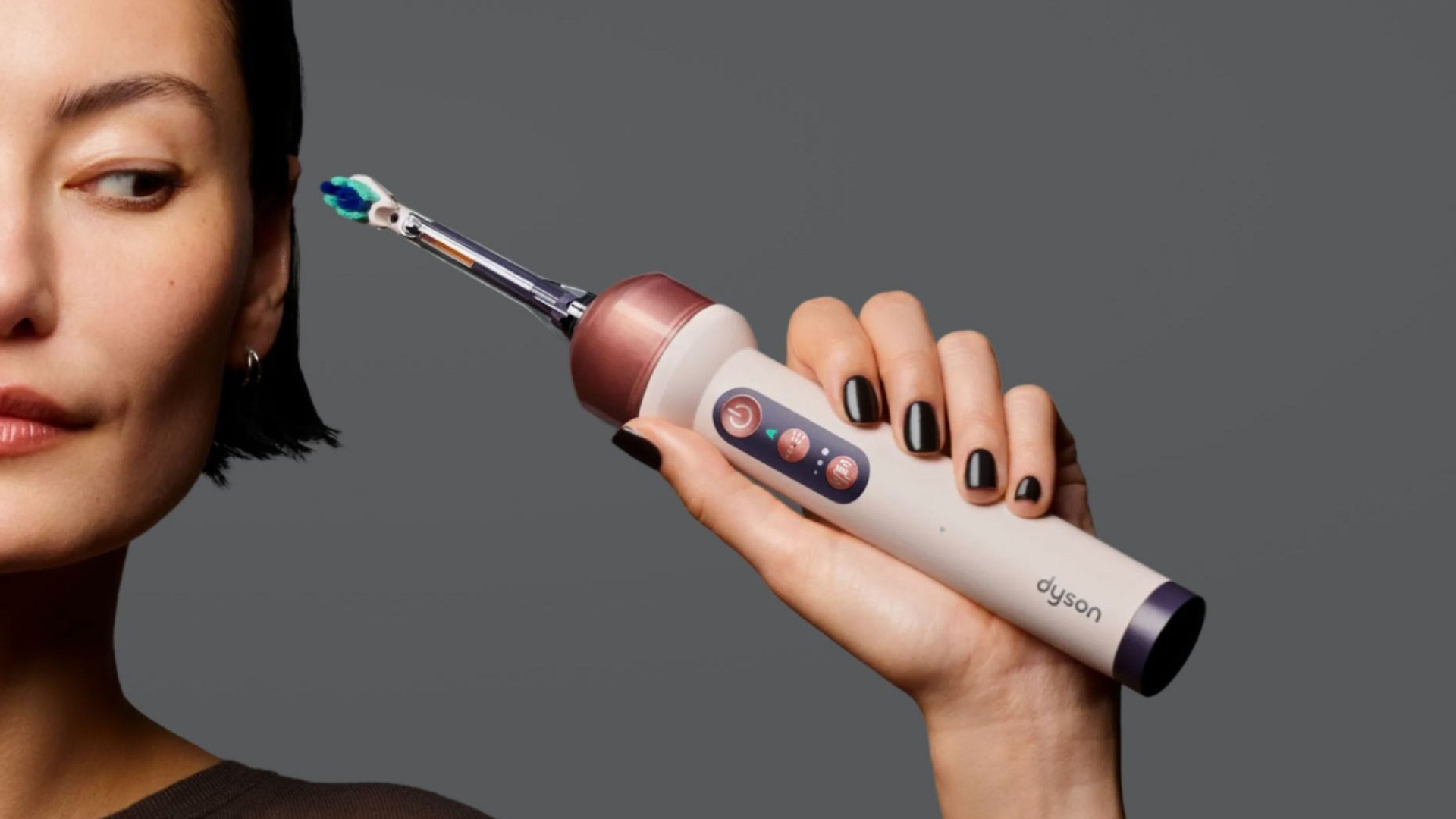
Brushing your teeth has remained largely unchanged for generations. Pick up a toothbrush, apply toothpaste, brush for two minutes, rinse, and repeat. While electric toothbrushes have introduced features such as pressure sensors, timers, and app connectivity, the basic concept has remained surprisingly simple.
Dyson is now attempting to change that.
The newly launched Dyson CameraJet is a completely different approach to oral care. Priced at $499.99 in the US, this high-tech electric toothbrush combines a built-in 100,000-pixel macro camera, artificial intelligence, machine learning, sonic brushing, and precision liquid flossing into a single device. Instead of simply brushing your teeth, CameraJet is designed to see where you are cleaning, identify the gaps between your teeth, and automatically direct a jet of liquid into those areas while you brush.
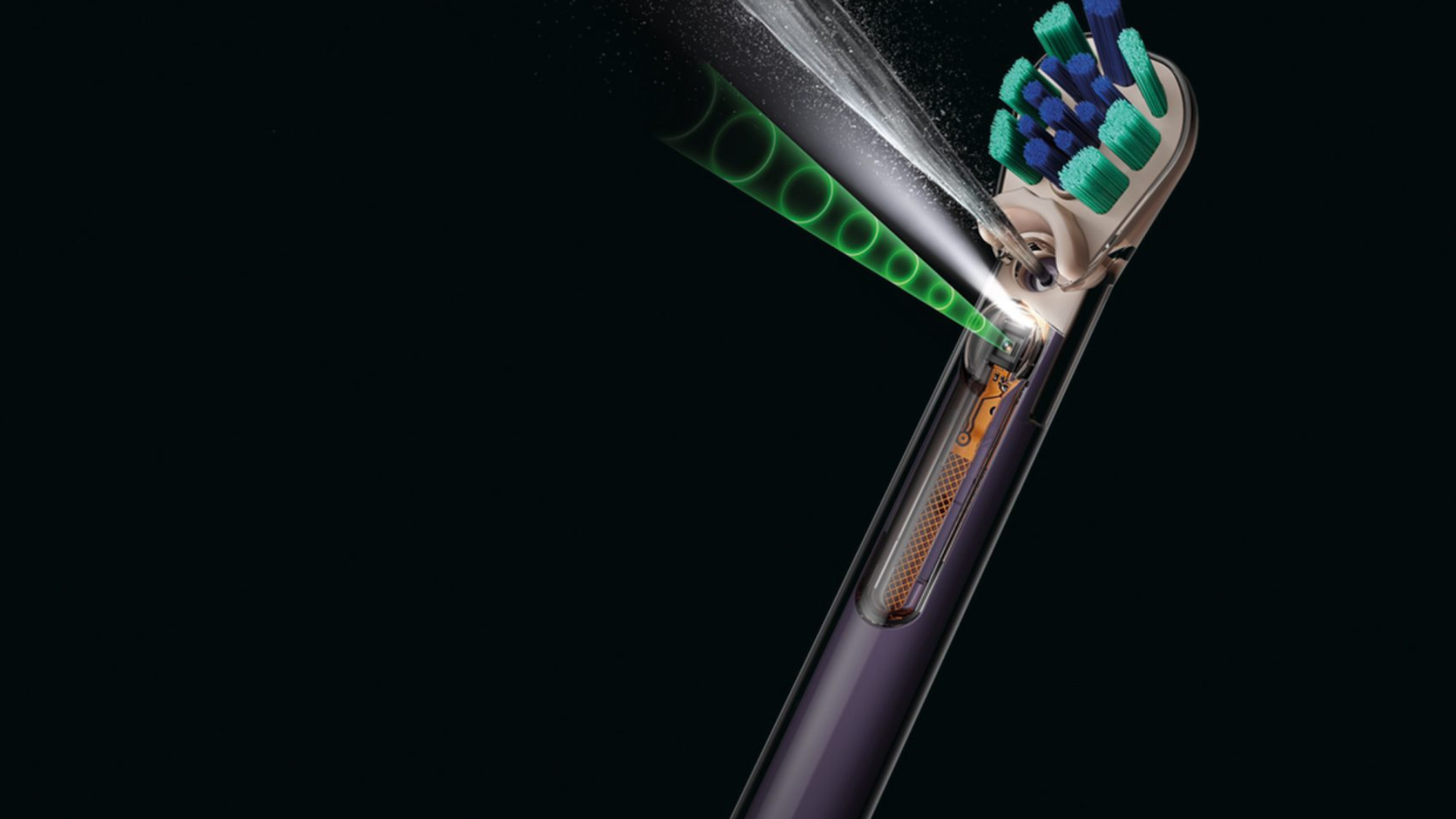
The technology is based around Dyson’s Gap Optical Targeting system. The camera analyses 28 images per second, while an AI machine-learning algorithm identifies and targets interdental gaps in real time. A targeted jet can then deliver up to 0.15ml of liquid between the teeth to help remove plaque in areas a conventional toothbrush may struggle to reach.
But with a price approaching $500, is this simply an extravagant luxury toothbrush, or could it genuinely represent the next generation of personal oral care?
Here is everything you need to know about Dyson CameraJet and why this unusual toothbrush is attracting so much attention.
 1. A Toothbrush That Can Actually See Your Teeth
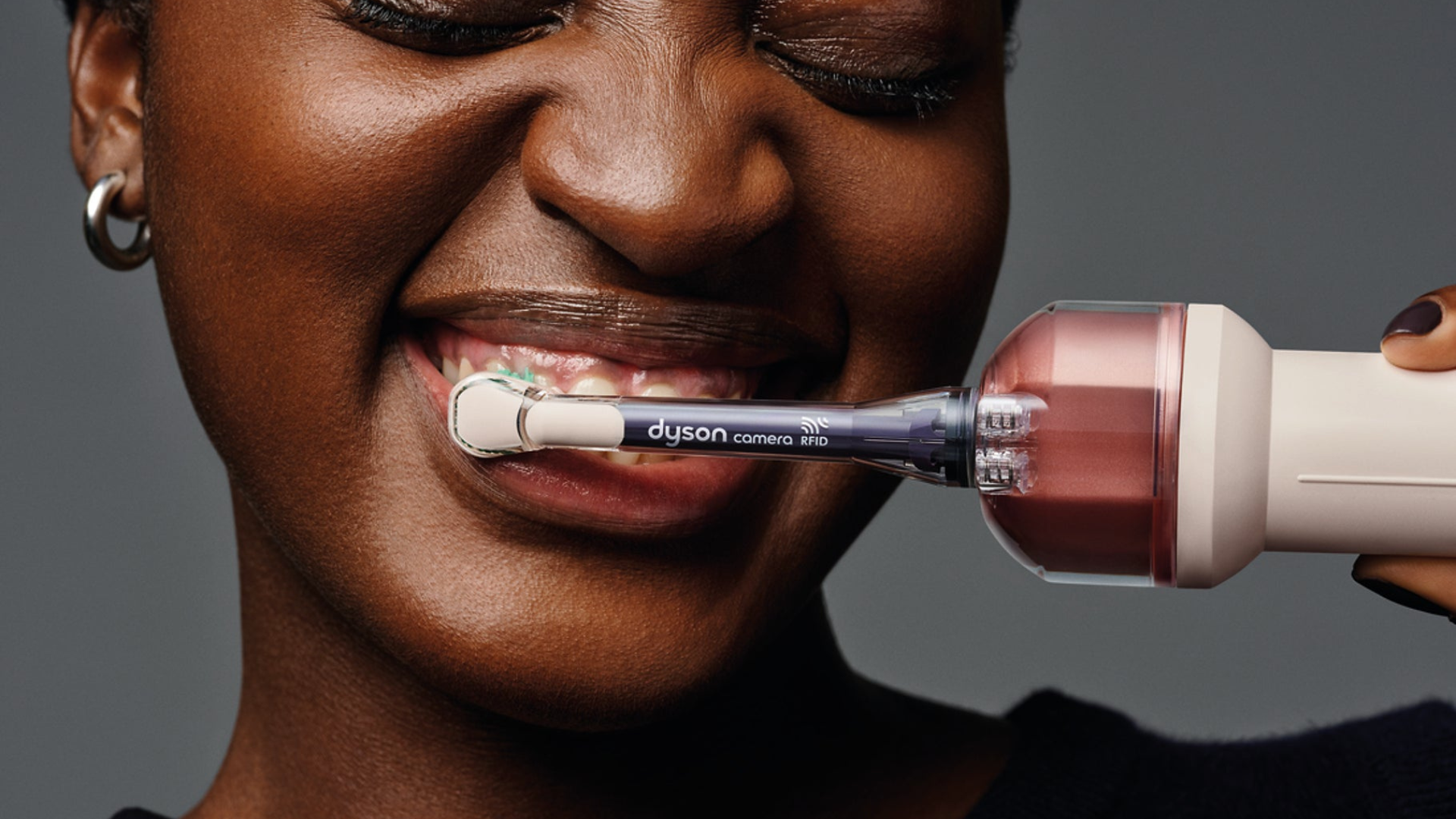
The biggest difference between Dyson CameraJet and conventional electric toothbrushes is its built-in camera.
Inside the brush head is a 100,000-pixel macro lens camera designed to provide a close-up view of the mouth. Rather than relying entirely on sensors to determine whether you are brushing correctly, CameraJet uses its camera to visually identify the spaces between your teeth.
Dyson calls this technology Gap Optical Targeting.
The camera analyses up to 28 images every second, allowing its machine-learning system to identify and track interdental gaps while you brush. When the system detects an area that needs additional cleaning, it can trigger the toothbrush’s precision jet.
This is a significant departure from traditional electric toothbrush technology.
Most smart toothbrushes can tell you how long you brushed, whether you applied too much pressure, or which areas you covered. CameraJet attempts to go one step further by actually observing the spaces between your teeth.
The result is a toothbrush designed around targeted cleaning rather than simply moving a brush head across every tooth.
 2. AI-Powered Precision Flossing While You Brush
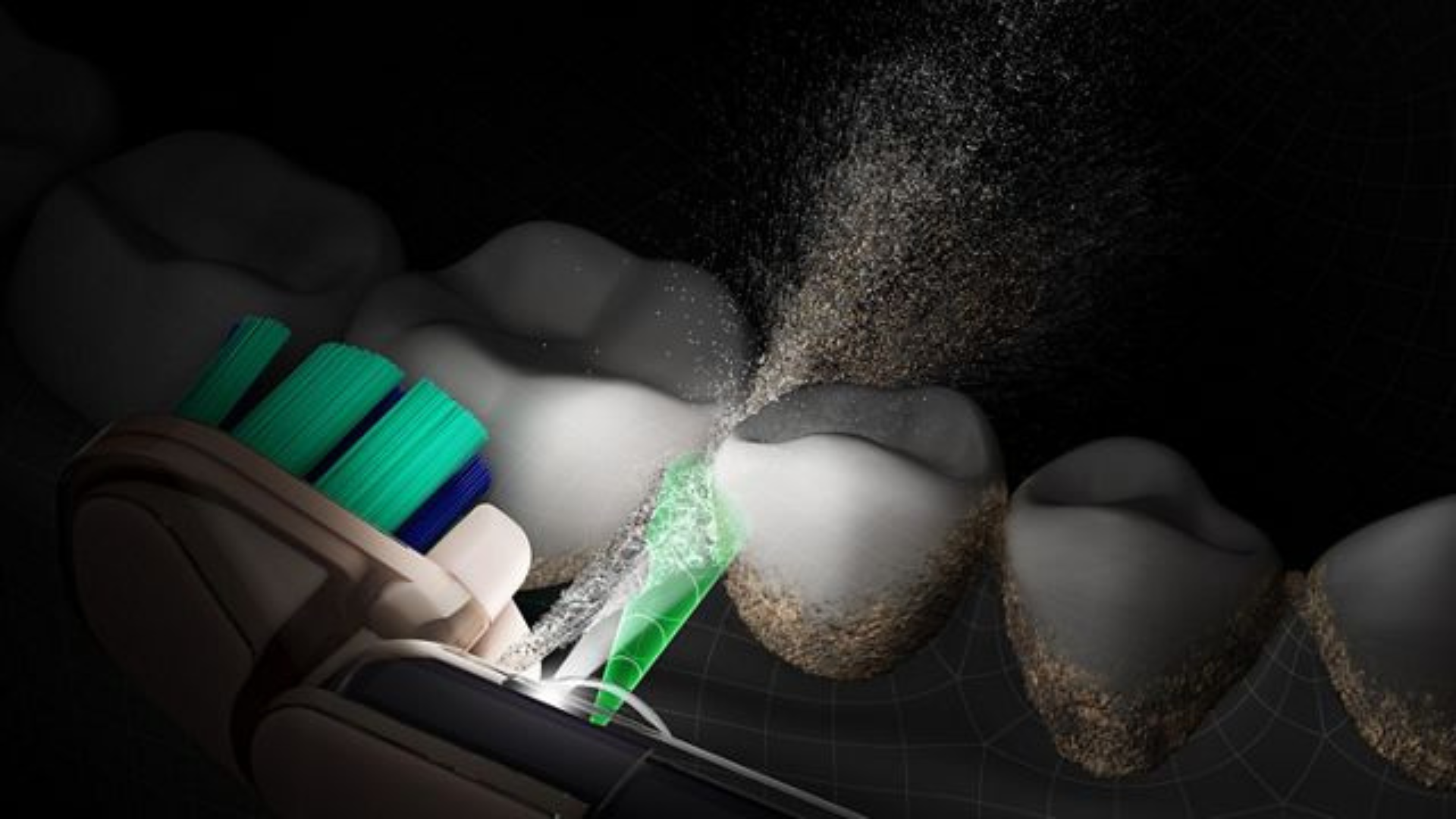
Brushing alone cannot effectively clean every area of the mouth, particularly the tight spaces between teeth. This is where Dyson CameraJet’s second major innovation comes in.
Instead of requiring users to floss separately after brushing, CameraJet incorporates a precision liquid-flossing system directly into the toothbrush.
Once the camera and AI system identify an interdental gap, a conical jet can release a small amount of liquid directly between the teeth. Dyson says the jet can deliver up to 0.15ml of liquid and activate in as little as one-tenth of a second.
The system is powered by a diaphragm pump and an anti-gravity tank designed to maintain effective jetting even when the toothbrush is held at different angles.
This means users can potentially brush and precision-floss simultaneously rather than treating flossing as an entirely separate step.
For people who regularly forget to floss, this could be one of CameraJet’s most interesting features. Instead of depending entirely on user discipline, the toothbrush attempts to automate part of the interdental cleaning process.
 3. Powerful Sonic Brushing Meets Intelligent Technology
Despite all the futuristic technology, Dyson CameraJet is still an electric toothbrush at its core.
Its brush head uses dual bristles designed to clean around the gumline and lift surface stains. Dyson’s sonic motor oscillates at 245 times per second, while its variable sonic oscillation is designed to keep the bristles moving consistently during brushing.
Users can also choose between three brushing intensities: Gentle, Variable, and Deep Clean.
This allows the toothbrush to accommodate different preferences and levels of sensitivity instead of forcing everyone to use the same brushing intensity.
Dyson claims that its variable sonic brushing can remove up to 69% more plaque than market-leading premium electric toothbrushes in certain laboratory tests, particularly in harder-to-reach areas. However, these figures are Dyson’s own test results and should be viewed in that context rather than as a universal guarantee of performance for every user.
The combination of conventional sonic brushing and AI-powered targeting is what makes CameraJet particularly unusual.
It is not simply trying to brush harder.
It is trying to brush more intelligently.
 4. The MyDyson App Turns Brushing Into a Smart Experience
Dyson CameraJet is also designed to work with the MyDyson app, transforming the toothbrush into a connected oral-care device.
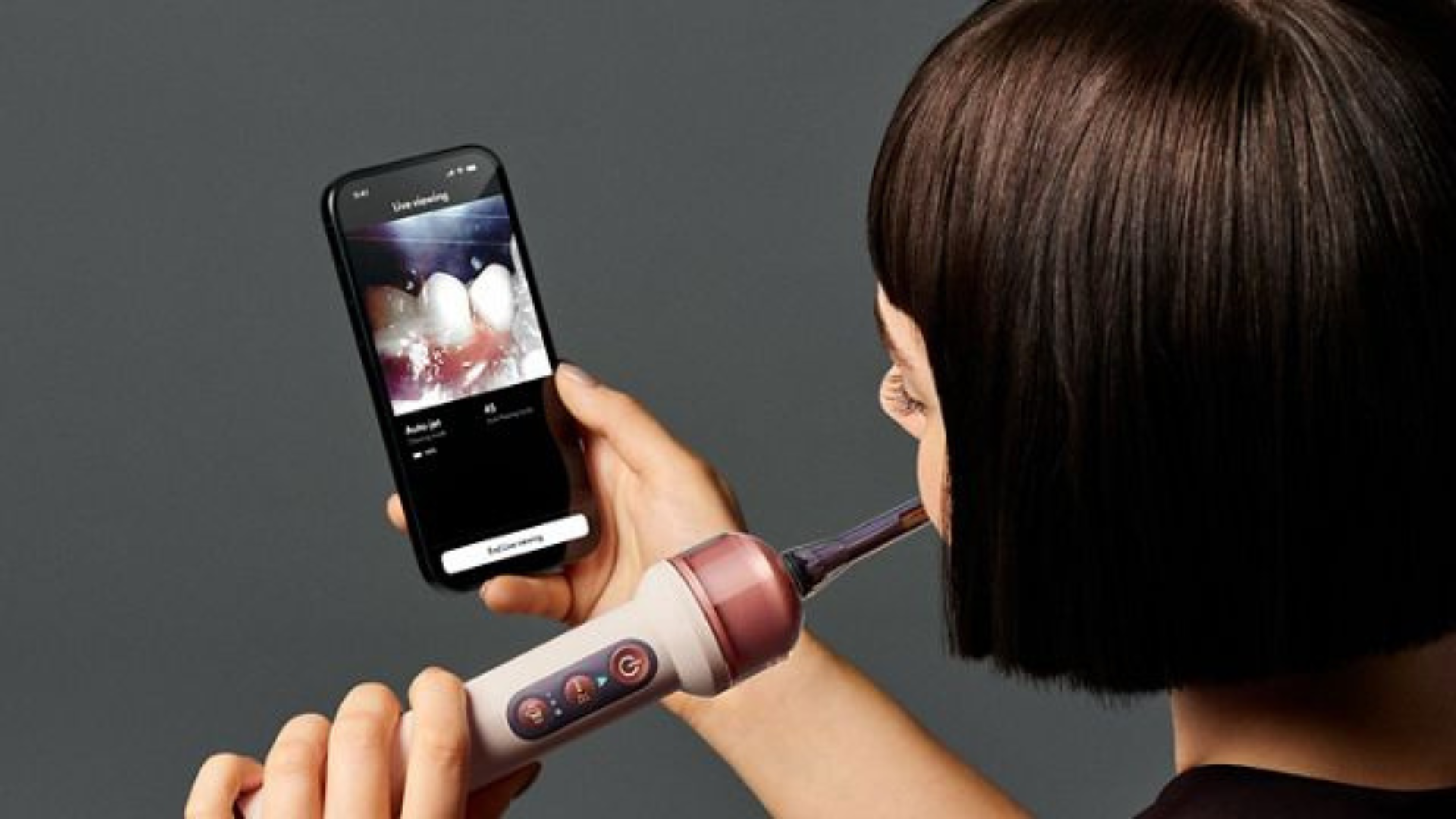
Through the app, users can access live viewing, guided cleaning, coverage mapping, and personalised brushing and flossing insights. The live-viewing function allows users to see footage from the camera while they clean, essentially providing a close-up view of their own brushing technique.
The app can also provide feedback about areas that may have been missed.
For example, CameraJet can map brushing coverage and provide information about brushing duration and technique. Onboard sensors can additionally alert users when it is time to move to another section of the mouth or adjust their technique.
This could make the toothbrush particularly appealing to people who want measurable feedback rather than simply assuming they have brushed effectively.
Privacy is another consideration.
Dyson states that the camera is active only during live viewing or automatic jetting, and that images are not stored on the toothbrush or in the cloud. Dyson’s product information also says images are deleted from the app after viewing, with data processing occurring on-device for certain functions.
 5. A $499 Toothbrush Designed Like a Dyson Machine
Of course, the most controversial aspect of CameraJet may not be its technology.
It is the price.
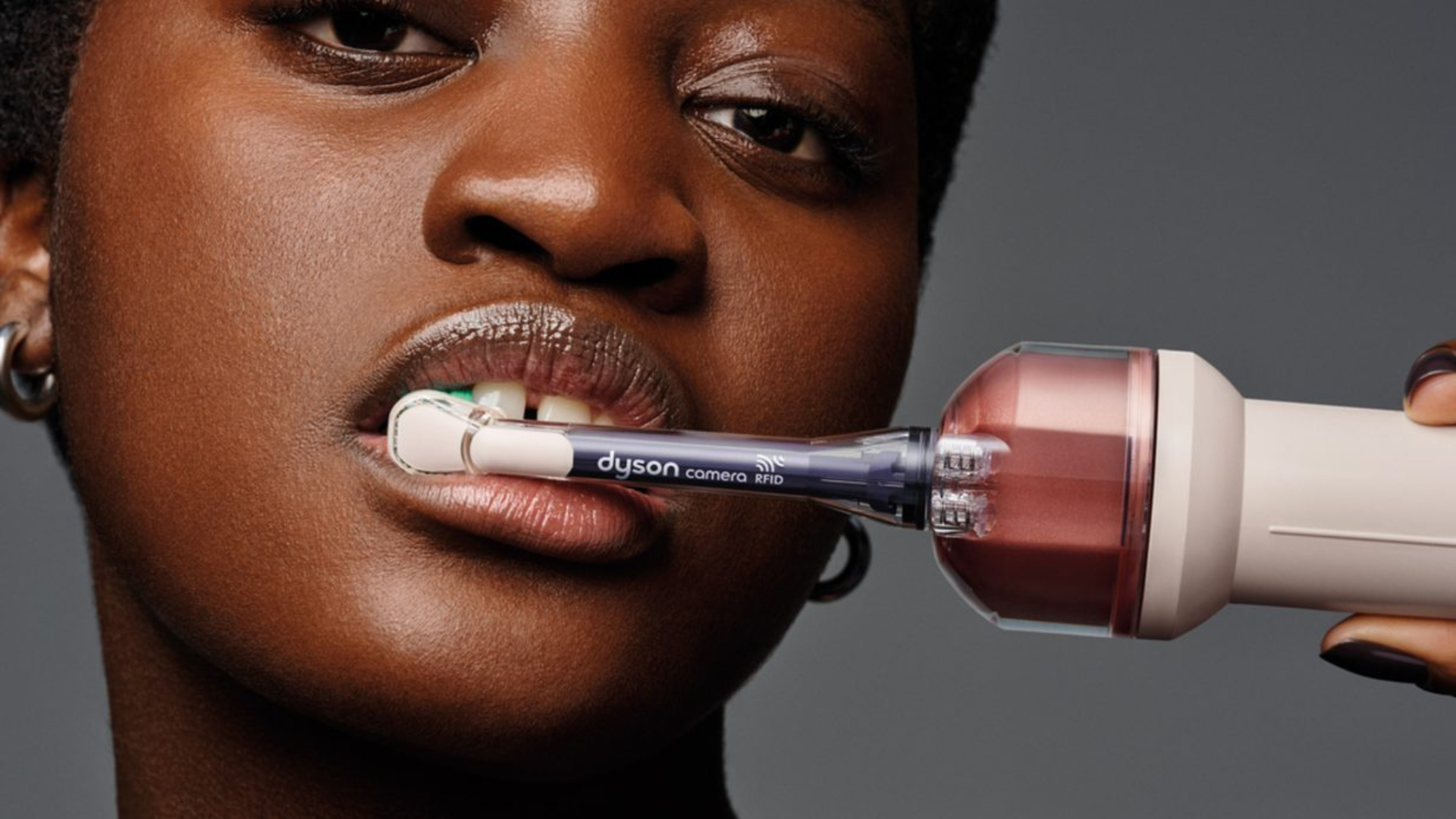
Dyson lists the CameraJet at $499.99 in the United States, putting it firmly into premium luxury-product territory. The system is offered in colourways including Ceramic Ultra Blue and Ceramic Pink.
At this price, consumers are not simply paying for an electric toothbrush motor.
CameraJet incorporates a camera, machine-learning technology, precision jet system, sonic motor, sensors, rechargeable battery, app connectivity, and a specialised dock. Dyson also designed dedicated toothpaste and low-foaming mouth rinse formulations intended to work with the system.
The charging dock doubles as a storage and refill system, while the device uses a swappable lithium-ion battery. The brush head also incorporates RFID technology to monitor usage and notify users when it needs replacement.
In other words, Dyson is positioning CameraJet less like a traditional toothbrush and more like a complete connected oral-care system.
Whether that justifies the price will ultimately depend on how much value users place on automated flossing, visual feedback, and personalised cleaning guidance.
Conclusion
Dyson CameraJet represents one of the most ambitious attempts yet to reinvent the everyday toothbrush.
Instead of simply making an electric toothbrush more powerful, Dyson has attempted to make it more intelligent. Its combination of a 100,000-pixel camera, AI-powered Gap Optical Targeting, precision liquid flossing, sonic brushing, sensors, and smartphone connectivity creates an entirely new approach to daily oral care.
The biggest attraction is undoubtedly its ability to identify spaces between the teeth and automatically direct a targeted jet of liquid toward them while brushing. For people who struggle to floss consistently or want greater visibility into their brushing habits, this could make CameraJet genuinely useful.
However, its $499.99 price makes it difficult to describe as an everyday purchase. Traditional electric toothbrushes can provide effective cleaning at a fraction of the cost, meaning CameraJet is ultimately aimed at consumers who are willing to pay a premium for cutting-edge technology and a highly personalised brushing experience.
Whether Dyson CameraJet becomes the future of oral care or remains an impressive example of over-engineered consumer technology remains to be seen.
But one thing is certain: Dyson has made the humble toothbrush considerably more interesting.
At GlowGuide, we are committed to bringing readers the latest insights, trends, and expert perspectives across fashion, lifestyle, technology, and everyday living. As a leading Malaysian digital media publisher, GlowGuide aims to inspire and inform audiences with engaging, high-quality content that helps them stay updated with evolving trends and modern innovations. Whether exploring the latest beauty technologies, lifestyle products, or emerging consumer trends, GlowGuide remains your trusted destination for valuable and inspiring content.