

The beauty world is full of tips, but not all of them are true. Some myths can even harm your skin if followed blindly. Let’s break down six common beauty myths and uncover the facts, based on reliable dermatology and skincare sources. Knowing the truth behind these myths can help you build a smarter, more effective skincare routine.
- Myth 1: Oily Skin Doesn’t Need Moisturizer
- Myth 2: You Don’t Need Sunscreen Indoors
- Myth 3: Washing Your Face More Means Clearer Skin
- Myth 4: Natural Ingredients Are Always The Best Choice
- Myth 5: Toothpaste as Instant Acne Cure
- Myth 6: Expensive Skincare Products Are Always Better
- Final Thoughts
- Always Stay Up to Date
Myth 1: Oily Skin Doesn’t Need Moisturizer
Many people with oily skin tend to skip moisturizer because they’re concerned it will make their skin look even shinier.
Fact: All skin types need moisturizer for hydration, even those with oily skin. When you skip moisturizer, your skin may produce more oil to compensate for the dryness. The best option is a lightweight, oil-free moisturizer that hydrates without clogging pores such as gel moisturizers.
Myth 2: You Don’t Need Sunscreen Indoors
This myth is common among people who spend most of their time working or studying inside.
Fact:
As the risk of sun exposure is low when indoors, sunscreen is unnecessary. However, if you’re spending times by a window with direct sunlight, you might consider wearing sunscreen as it can penetrate windows and still affect your skin. This can lead to various skin problems such as premature aging and sunburn. Daily sunscreen is still essential for proper skin protection.
Myth 3: Washing Your Face More Means Clearer Skin
Clearer skin automatically means fewer breakouts.
Fact:
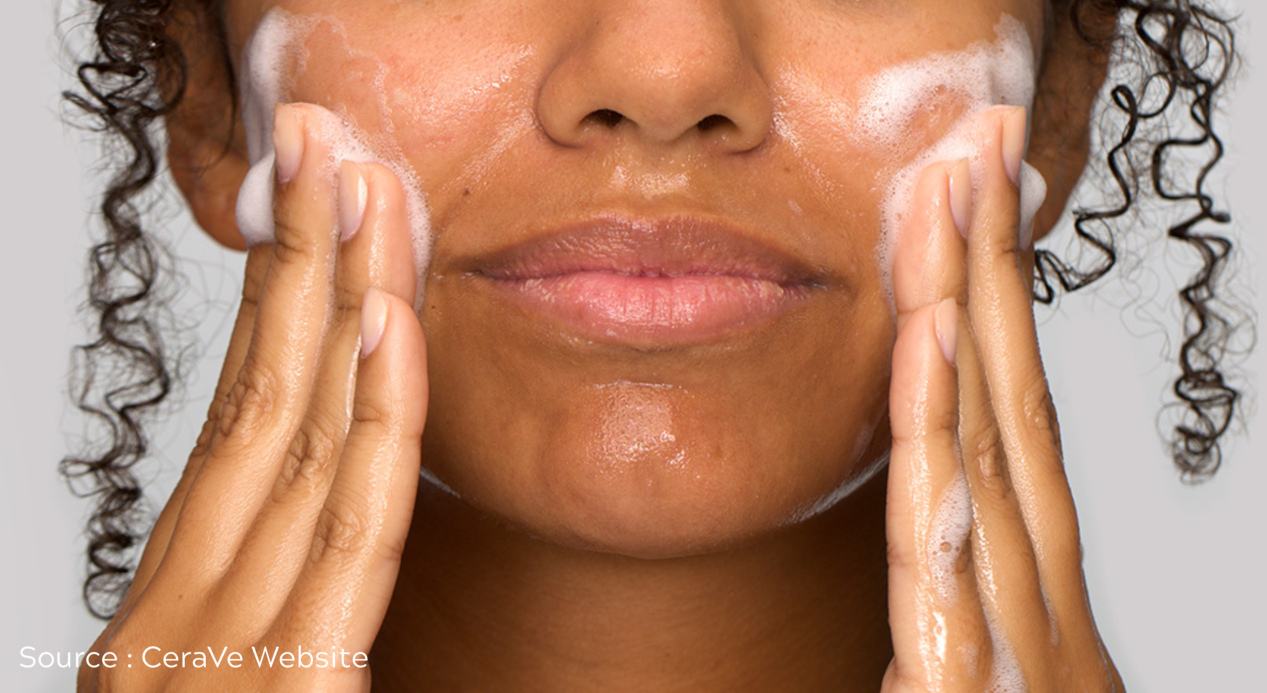
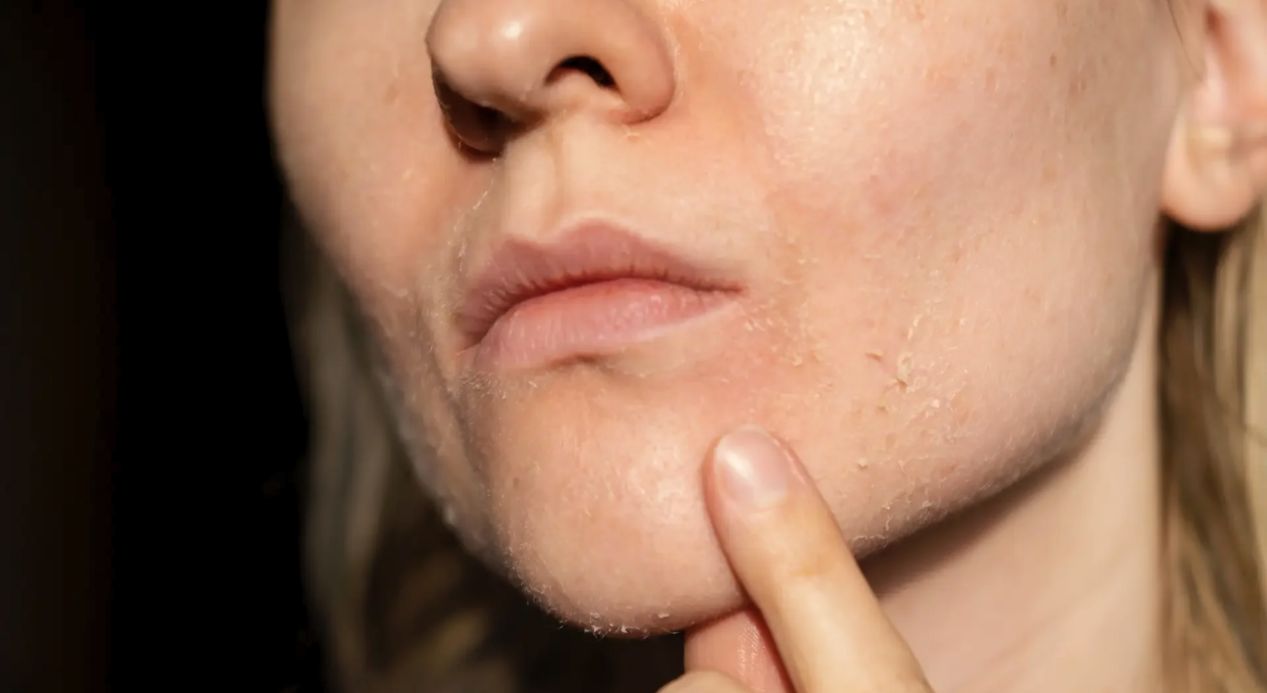
Knowing how often to wash your face and which face cleanser to use is crucial in keeping your skin healthy, clear and glowing. Overwashing can strip your skin’s natural oils leading to dryness, irritation and even more breakouts. Dermatologists recommend cleansing your face twice a day which in the morning and night for balanced and healthy skin.
Myth 4: Natural Ingredients Are Always The Best Choice
Many people believe that if a product is labeled “natural,” it must automatically be gentler and more effective for the skin. This idea has become even more popular with the rise of clean beauty trends on social media.
Fact:
“Natural” doesn’t always mean safe or suitable for your skin. Some natural ingredients, like lemon juice and baking soda, can (and do) cause damage to skin barrier and cause irritation or sensitivity. In today’s beauty industry, many scientifically developed ingredients are carefully tested for safety, stability, and effectiveness, making them a more reliable choice for skincare.
Myth 5: Toothpaste as Instant Acne Cure
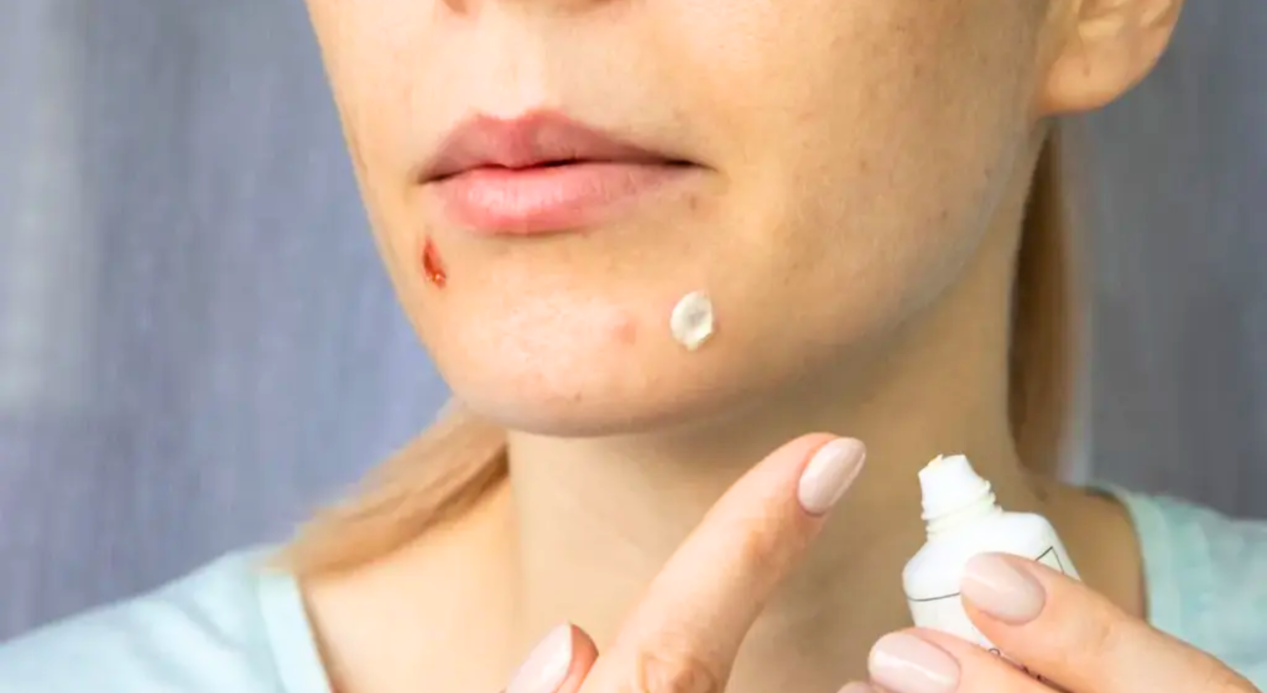
It’s really frustrating to see acne on your face especially on an important occasion day but quick fixes aren’t always the best solution. This DIY hack is often shared online as a cheap and fast way to get rid of pimples.
Fact:
Toothpaste is not designed for your skin and can actually cause irritation, dryness, and even worsen breakouts. Ingredients like menthol, alcohol, or baking soda may temporarily dry out pimples, but they can damage your skin barrier. Dermatologists recommend using products specifically formulated for acne treatment instead.
Myth 6: Expensive Skincare Products Are Always Better
It’s easy to assume that higher price means higher quality, especially with luxury packaging and branding. Many people feel pressured to spend more in hopes of getting faster or better results.
Fact:
Price doesn’t always reflect effectiveness. Many affordable skincare products contain the same active ingredients as high-end ones and can deliver similar results. What matters most is choosing products that suit your skin type and contain proven ingredients, not just the brand name or price tag.
Final Thoughts
Falling for beauty myths can lead to ineffective routines and unnecessary skin issues. By relying on trusted, science-backed sources, you can make better skincare decisions and achieve healthier skin over time. Always double-check information and choose what suits your skin because good skincare is all about knowledge, not just trends.