

Sensitive skin can be difficult to manage. Products that work perfectly for one person may cause discomfort, dryness, or irritation for another. This is why choosing skincare ingredients carefully is especially important for people dealing with easily irritated, dry, or compromised skin.
Two ingredients that frequently appear in sensitive-skin products are ceramides and hyaluronic acid. Both are widely recognised for their moisturising properties, but they work in different ways. Hyaluronic acid is primarily known for attracting and holding water in the skin, while ceramides help support the skin barrier and reduce moisture loss.
Understanding the difference between these two ingredients can make it easier to build a skincare routine that addresses what your skin actually needs. For someone experiencing dehydration, hyaluronic acid may provide additional hydration. For someone with a weakened or damaged skin barrier, ceramides may be particularly important for supporting the skin’s protective function.
Rather than asking which ingredient is universally better, the more useful question is: which one does your sensitive skin need more? Here is how ceramides and hyaluronic acid compare, and why products from brands such as Ceradan can be particularly relevant when barrier care is a priority.
 1. Ceramides – The Building Blocks of a Healthy Skin Barrier
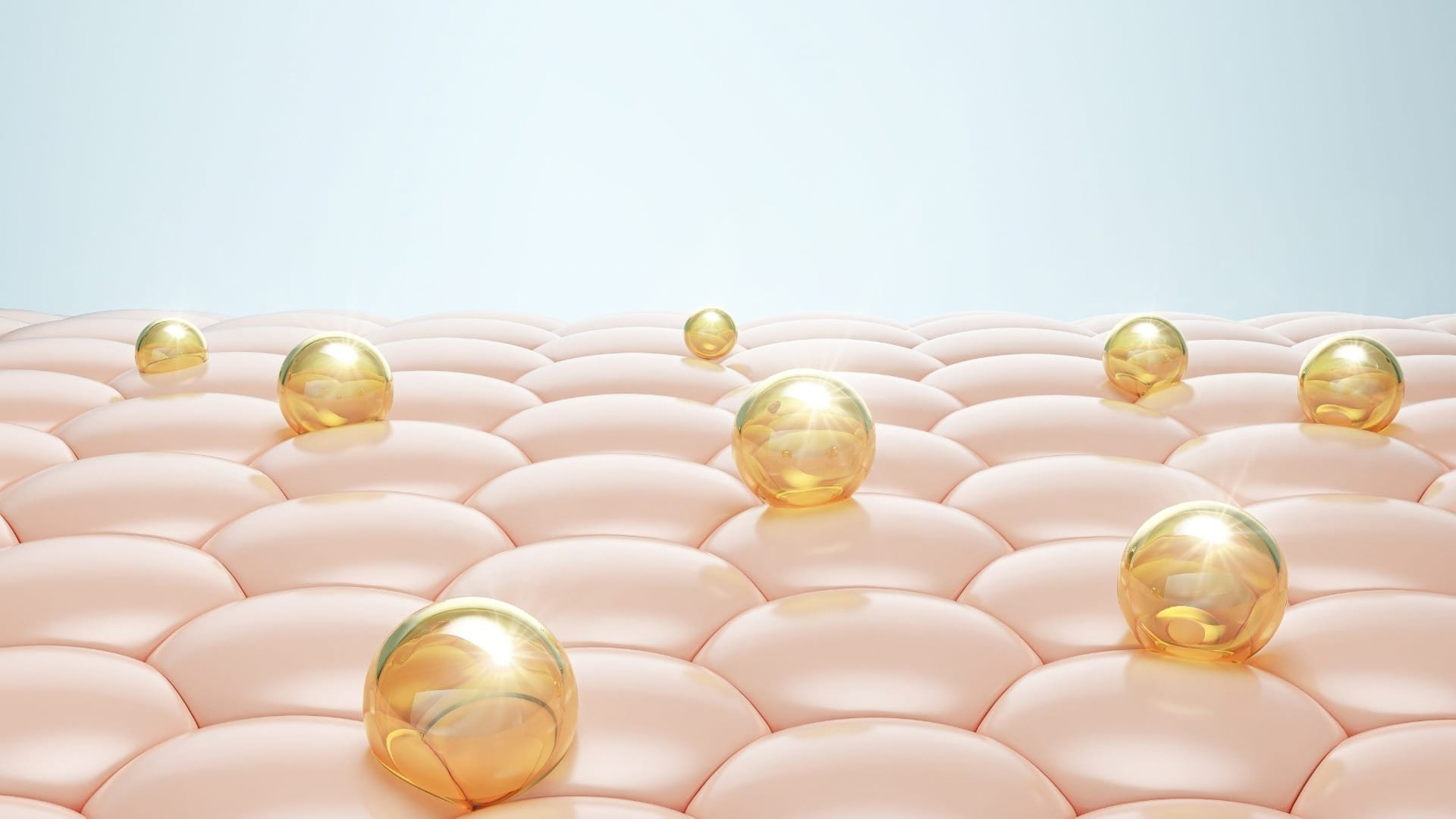
Ceramides are naturally occurring lipids found in the outermost layer of the skin. They form an important part of the skin barrier, helping skin retain moisture while providing protection against external environmental stressors.
When the skin contains insufficient lipids or its barrier becomes compromised, moisture can escape more easily. This can contribute to dryness, roughness, tightness, and increased sensitivity. For people who frequently experience these concerns, replenishing skin-identical lipids can be an important part of a moisturising routine.
This is where ceramides can play an important role. Skincare products containing ceramides are designed to supplement the skin’s lipid barrier and help support its moisture-retaining function.
Ceradan is particularly associated with barrier-focused skincare, with formulations designed around ceramides and other components that support moisturisation and skin-barrier care. Its products are commonly positioned for dry and sensitive skin, making the brand a relevant option for people looking to prioritise barrier maintenance.
For sensitive skin that feels persistently dry, tight, or easily irritated, a ceramide-containing moisturiser may therefore be more relevant than simply adding another hydrating ingredient.
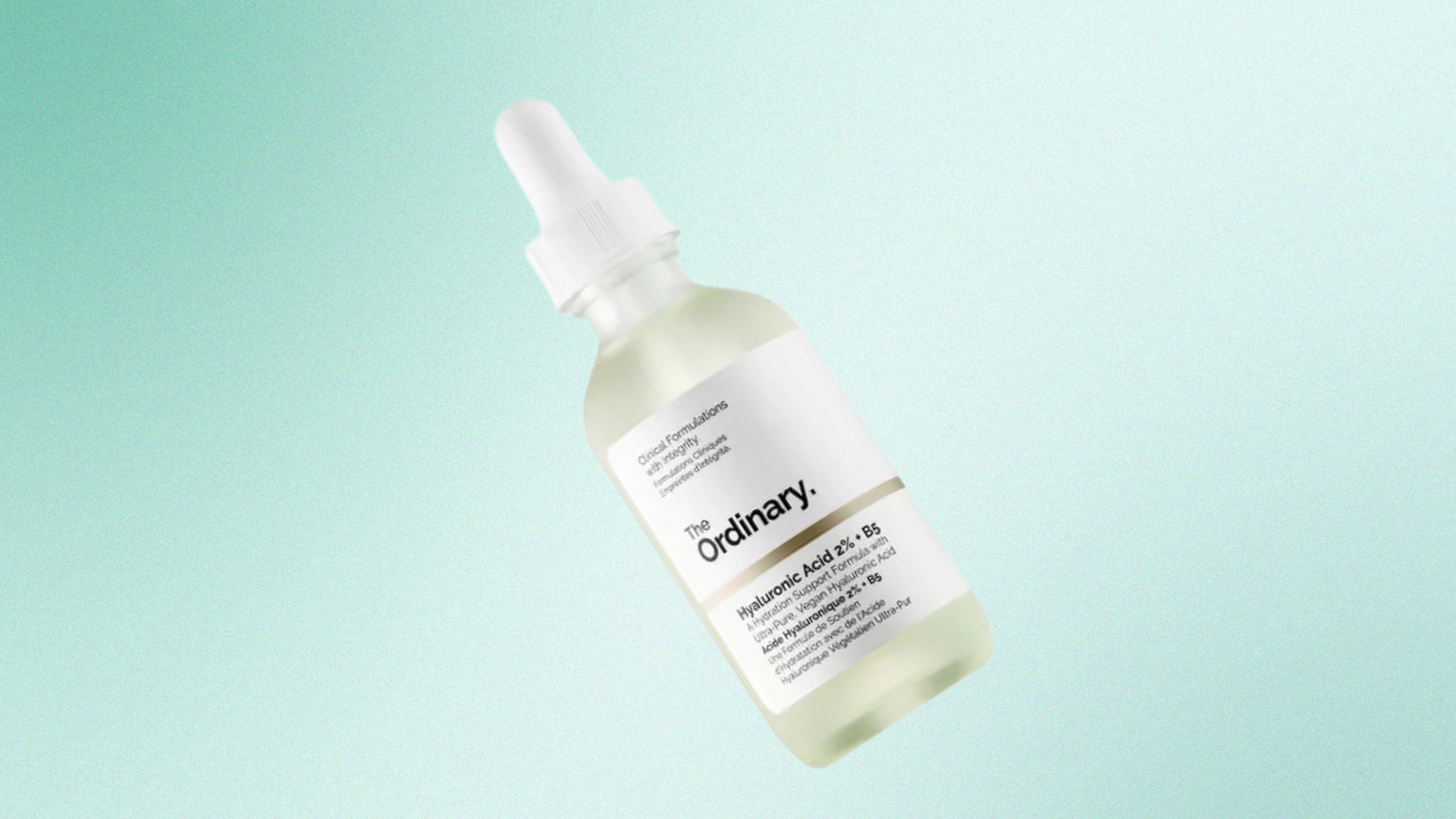 2. Hyaluronic Acid – The Hydration Specialist
Hyaluronic acid works differently from ceramides. Rather than primarily replacing the skin’s barrier lipids, it is a humectant that helps attract and retain water.
The ingredient naturally occurs in the body and can hold substantial amounts of water relative to its weight. In skincare, different forms and molecular weights of hyaluronic acid are used in products such as serums, moisturisers, and hydrating masks.
For sensitive skin that feels dehydrated or tight, hyaluronic acid can provide a useful boost of hydration. It can make the skin feel softer, smoother, and more comfortable when incorporated into an appropriate moisturising routine.
However, hydration and barrier support are not exactly the same thing. A product can increase the amount of water available to the skin without necessarily providing the lipids needed to support the skin barrier.
This distinction is important when comparing hyaluronic acid with ceramides. Hyaluronic acid focuses primarily on attracting moisture, while ceramides help support the barrier that keeps moisture from escaping.
For this reason, hyaluronic acid can be especially useful when dehydration is the main concern, but it does not necessarily replace the role of a barrier-supporting moisturiser.
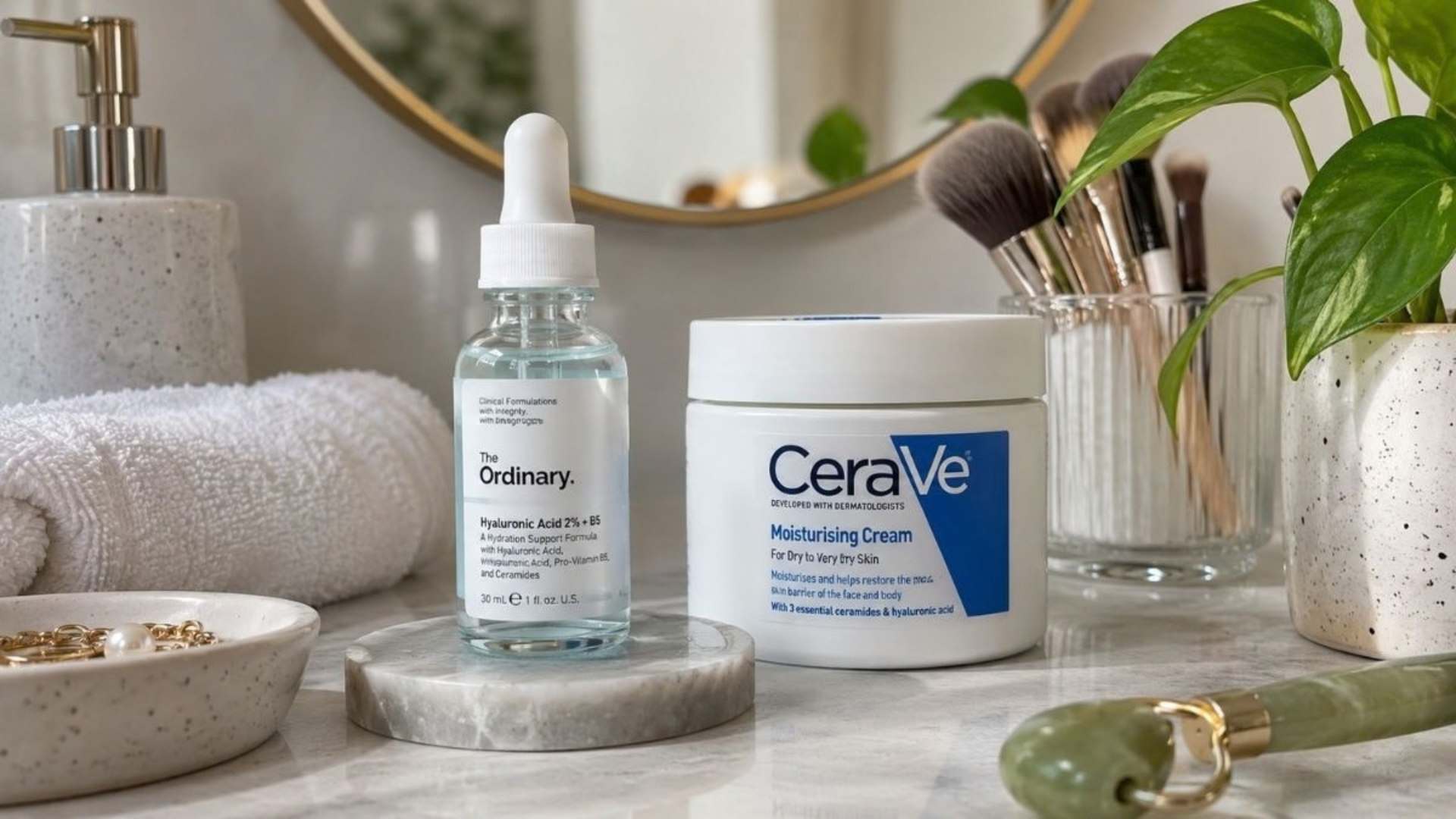 3. Ceramide vs Hyaluronic Acid – What Does Sensitive Skin Need?
The answer largely depends on what your skin is experiencing.
If your skin mainly feels dehydrated, tight, or lacking moisture, hyaluronic acid can be a useful ingredient to introduce into your routine. Its water-attracting properties can help provide additional hydration and improve the skin’s overall moisturised feel.
If your skin is very dry, rough, easily irritated, or appears to have a weakened moisture barrier, ceramides may deserve greater attention. Supporting the barrier can help the skin retain moisture more effectively rather than simply adding hydration.
This does not mean you have to choose one ingredient over the other. In fact, ceramides and hyaluronic acid can complement each other particularly well.
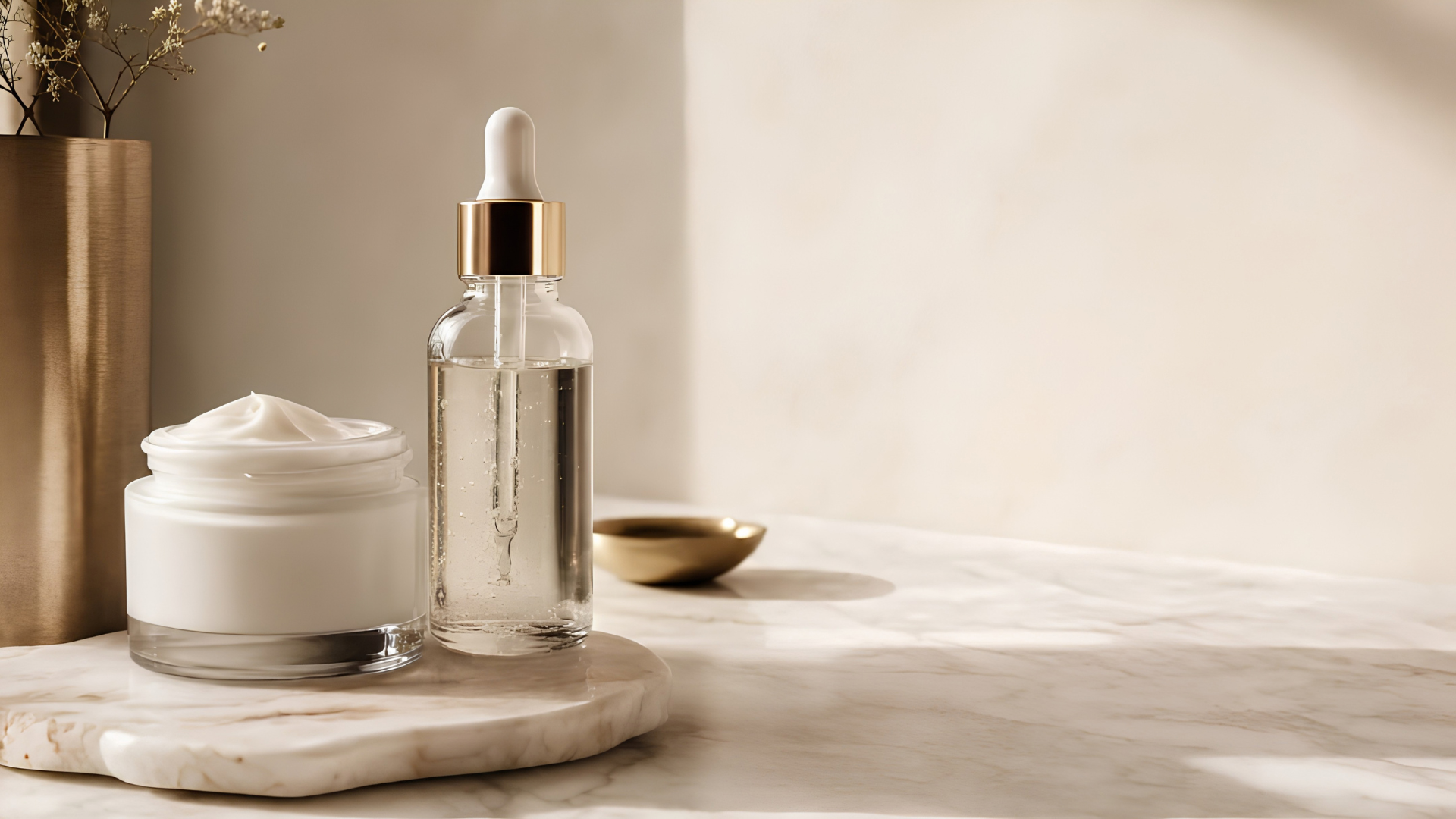
A simple routine might use a hydrating product containing hyaluronic acid followed by a moisturiser containing barrier-supporting ingredients such as ceramides. The first step helps provide hydration, while the moisturiser helps support moisture retention.
For sensitive skin, however, the overall formulation matters just as much as the individual ingredient. A product containing a popular ingredient is not automatically suitable for everyone. Fragrance, preservatives, additional active ingredients, and other formulation choices can also affect how a sensitive skin type responds.
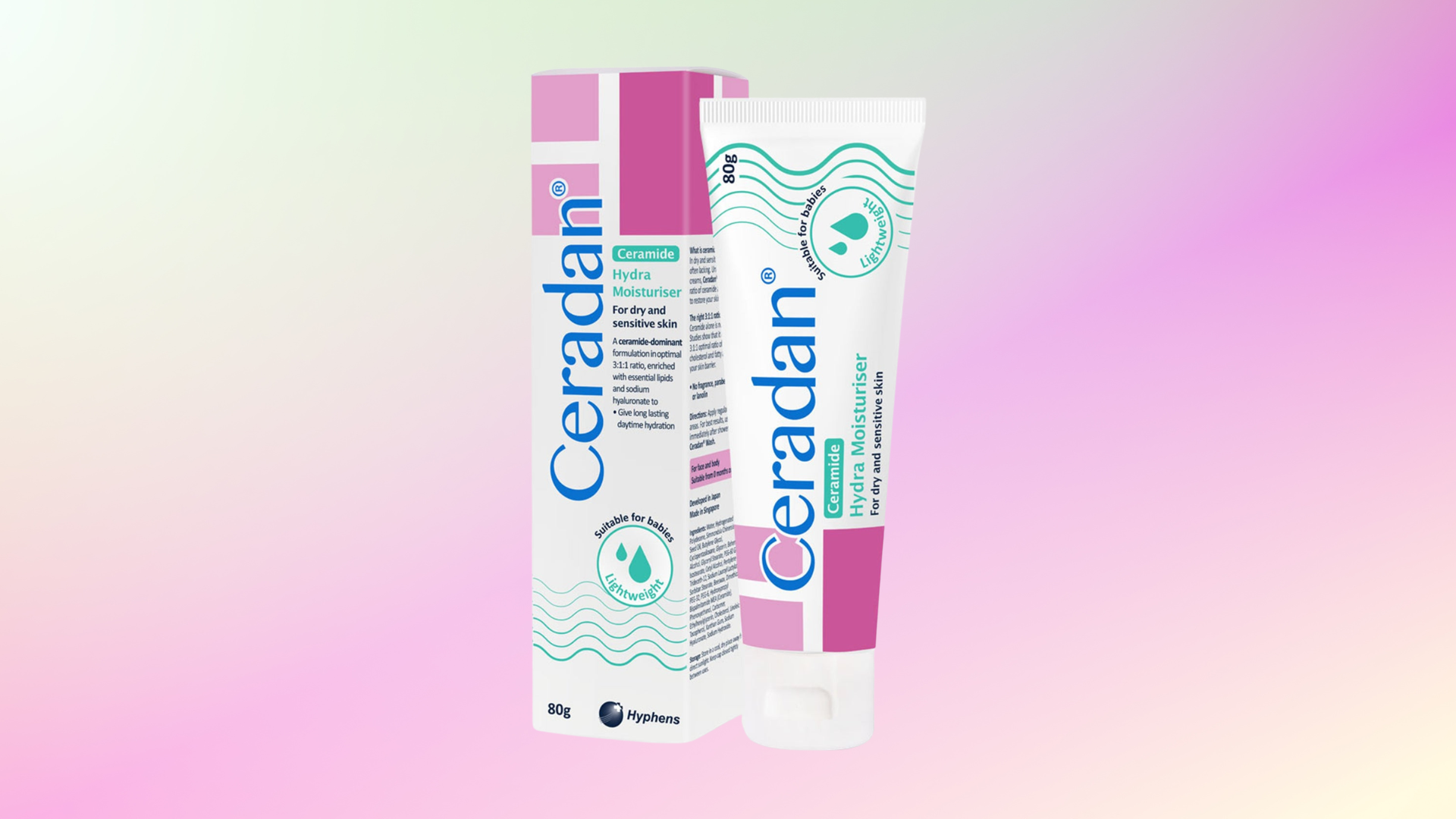 4. Why Ceradan Can Be Relevant for Sensitive and Dry Skin
When barrier support is the main priority, choosing a moisturiser specifically designed around skin-barrier care can make sense.
Ceradan has built its skincare range around formulations intended to support moisturisation and the skin barrier. Rather than focusing solely on adding water to the skin, barrier-focused products can provide the lipids and emollient components needed to help maintain the skin’s protective outer layer.
This makes Ceradan particularly relevant for people whose skincare concerns involve persistent dryness, roughness, or sensitivity.
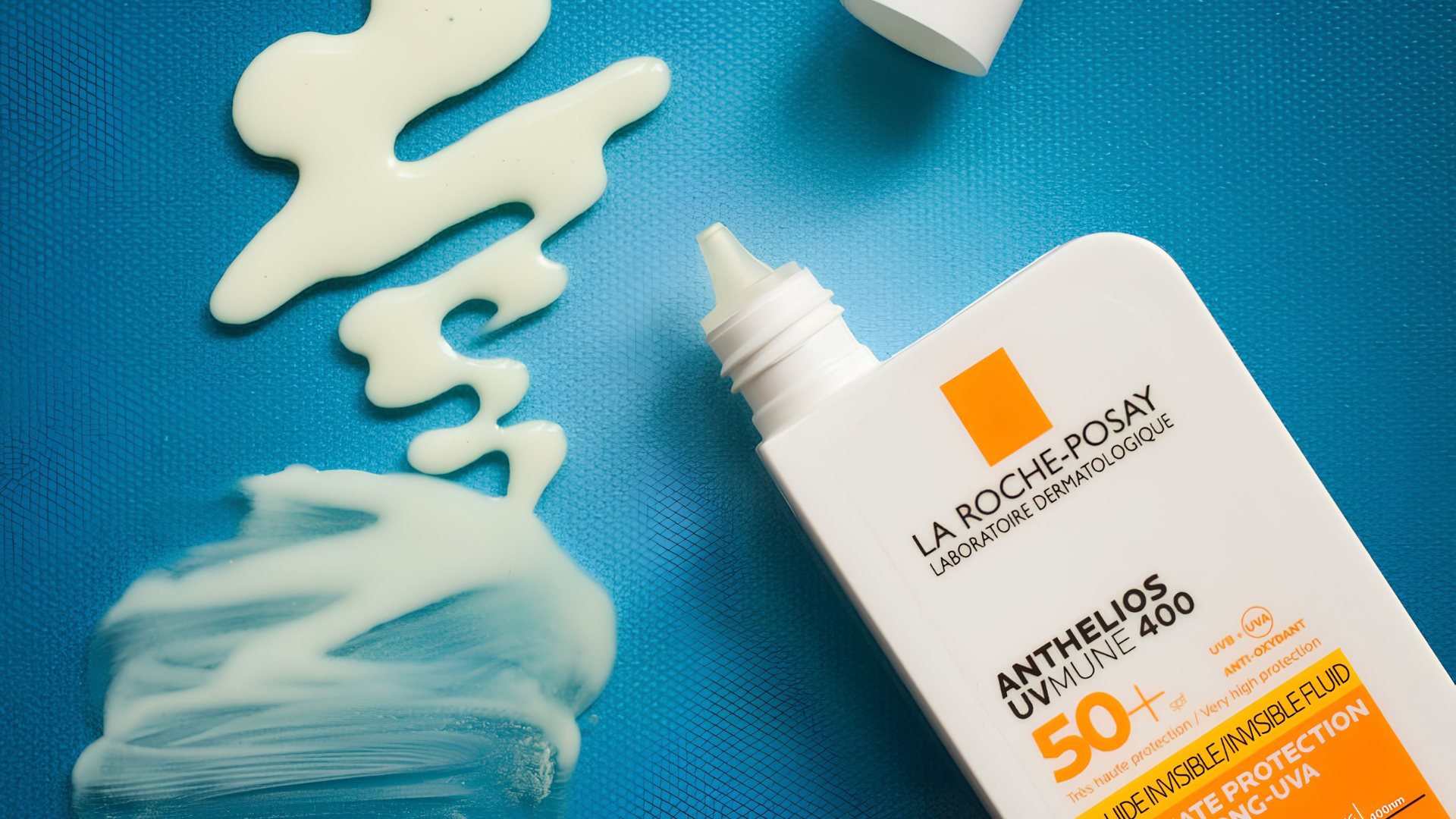
A ceramide-focused moisturiser can also be easier to incorporate into a simple skincare routine. Instead of constantly adding multiple serums and active ingredients, sensitive-skin users may benefit from keeping their routine straightforward: gentle cleansing, moisturisation, and daily sun protection.
For those who are already using a hyaluronic acid serum, a Ceradan moisturiser can also serve a complementary role. The two approaches are not mutually exclusive, as hydration and barrier support address different aspects of skin moisture management.
The key is to avoid assuming that more skincare automatically means better results. Sensitive skin often benefits from consistency and a carefully selected routine rather than an overloaded collection of active ingredients.
 5. Which Ingredient Should You Choose?
There is no single answer that applies to every sensitive skin type. The better choice depends on the condition and needs of your skin.
Choose hyaluronic acid if your main concern is:
- Dehydrated or tight-feeling skin
- Lack of surface moisture
- Skin that feels dry after cleansing
- Adding hydration to an existing skincare routine
Consider prioritising ceramides if your main concern is:
- Persistent dryness
- Rough or flaky skin
- A weakened-feeling moisture barrier
- Skin that becomes easily irritated
- Maintaining long-term barrier support
For many people, the most practical solution may be using both. Hyaluronic acid can help attract moisture, while ceramides can help support the skin barrier and moisture retention.
If your routine needs a barrier-focused moisturiser, Ceradan can be considered as part of that approach. Its focus on ceramides and moisturising barrier care makes it particularly relevant for people who want to simplify their routine while prioritising sensitive or dry skin.
Ultimately, skincare should be based on your skin’s individual needs rather than simply following ingredient trends. If persistent irritation, redness, severe dryness, or other symptoms continue despite a gentle skincare routine, consulting a dermatologist or healthcare professional can help identify the underlying cause.
Conclusion
Ceramides and hyaluronic acid both have valuable roles in skincare, but they solve different problems. Hyaluronic acid is primarily a hydration-focused ingredient that helps attract and retain water, while ceramides play an important role in supporting the skin’s protective barrier.
For sensitive skin that is mainly dehydrated, hyaluronic acid can be a useful addition. For skin that is persistently dry or struggling with barrier maintenance, ceramides may deserve greater priority. In many routines, however, the two ingredients can work alongside each other rather than being treated as competing alternatives.
Ceradan stands out as a relevant option for those who want to place greater emphasis on ceramide-based barrier care, particularly when dryness and sensitivity are key concerns.
The most effective sensitive-skin routine is not necessarily the one with the most ingredients. A simple, consistent routine built around gentle cleansing, suitable moisturisation, barrier support, and sun protection can be a more practical approach to maintaining comfortable-looking skin.
At GlowGuide, we are committed to bringing readers the latest insights, trends, and expert perspectives across fashion, lifestyle, beauty, and various related topics. As a leading Malaysian digital media publisher, GlowGuide aims to inspire and inform audiences with engaging, high-quality content that helps them stay updated with evolving styles, modern living, and everyday trends. Whether exploring skincare ingredients, emerging beauty movements, or practical guides, GlowGuide remains your trusted destination for valuable and inspiring content.