


Joint and knee pain can make everyday activities surprisingly difficult. Walking, climbing stairs, exercising, standing for long periods, or even getting out of bed can become uncomfortable when joints are stiff or painful.
While painkillers and topical products can sometimes provide temporary relief, many people also want to know what they can do naturally to support healthier joints and reduce discomfort over time. The good news is that several lifestyle approaches have been studied extensively, particularly for common causes of chronic knee pain such as osteoarthritis.
Natural relief does not necessarily mean relying on supplements or complicated remedies. Some of the most useful approaches involve staying physically active, strengthening the muscles around painful joints, maintaining a healthy weight, managing activity levels, and using heat or cold appropriately. For people with persistent symptoms, professional assessment is also important because joint pain can have many different causes.
Exercise is particularly important. Clinical guidance for osteoarthritis consistently recommends regular physical activity because strengthening muscles around affected joints and improving general fitness can help reduce symptoms and improve physical function.
For Malaysians looking for practical ways to manage everyday joint and knee discomfort without immediately relying on medication, here are several approaches worth understanding.
 1. Stay Active – Movement Can Help Protect Your Joints
When your knee hurts, the natural reaction may be to stop moving completely. However, avoiding movement for long periods can contribute to stiffness and muscle weakness, potentially making everyday activities more difficult.
For people with osteoarthritis, regular exercise is considered one of the most important non-drug treatments. The NHS recommends combining muscle-strengthening activities with exercises that improve general fitness.
The key is choosing activities that are appropriate for your current condition rather than immediately jumping into high-impact exercise.
Walking, swimming, cycling, water-based exercise and gentle mobility exercises can provide ways to remain active while placing less stress on the joints than some high-impact activities.
Strength training can also be useful because stronger muscles around the knee can provide greater support during everyday movement. Exercise programmes may include movements designed to strengthen the quadriceps, hamstrings, hips and other supporting muscles.
However, progression matters. Starting too aggressively can aggravate symptoms, so people who have significant or persistent pain may benefit from guidance from a physiotherapist or other healthcare professional.
The goal is not to completely eliminate movement because of discomfort. Instead, it is to find an appropriate level of activity and gradually build strength, mobility and fitness.
 2. Maintain a Healthy Weight – Reduce Unnecessary Joint Stress
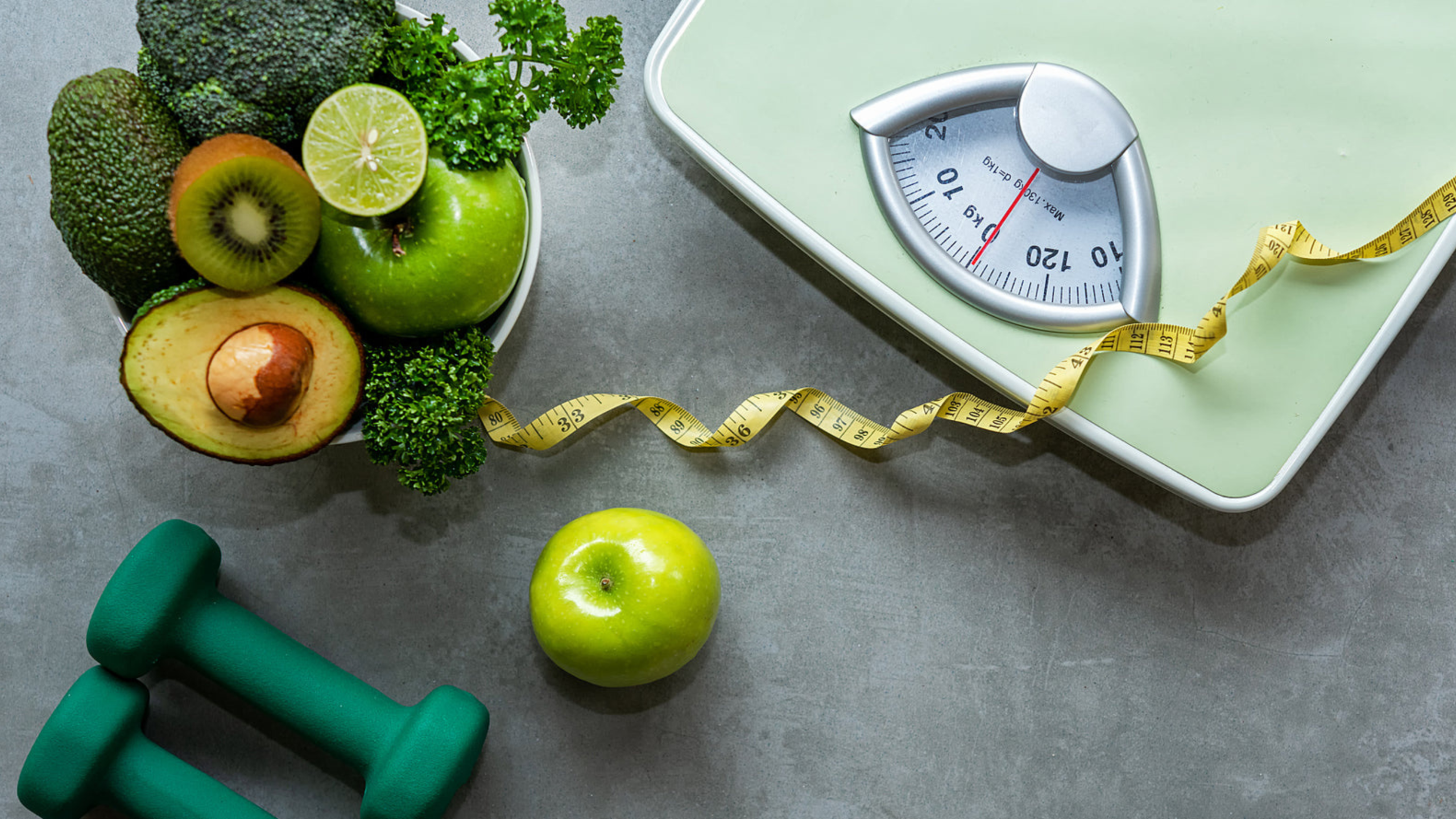
Body weight can have a significant effect on the mechanical load placed on weight-bearing joints such as the knees.
For people with knee osteoarthritis who are overweight or obese, weight management can help reduce symptoms and improve physical function. Clinical guidelines from the American College of Rheumatology and Arthritis Foundation strongly recommend weight loss for people with knee or hip osteoarthritis who are overweight or obese.
Importantly, this does not mean pursuing extreme diets or trying to lose weight rapidly.
A balanced diet combined with regular physical activity is generally a more sustainable approach. Even relatively modest weight loss may help reduce the mechanical demands placed on the knees.
Weight management can also have benefits beyond joint comfort. Improving cardiovascular fitness, blood sugar control and overall physical health can make it easier to remain active in the long term.
For someone experiencing knee pain while carrying excess weight, gradual weight management can therefore become part of a broader joint-health strategy rather than simply a cosmetic goal.
 3. Use Heat and Cold – Simple Ways to Manage Discomfort
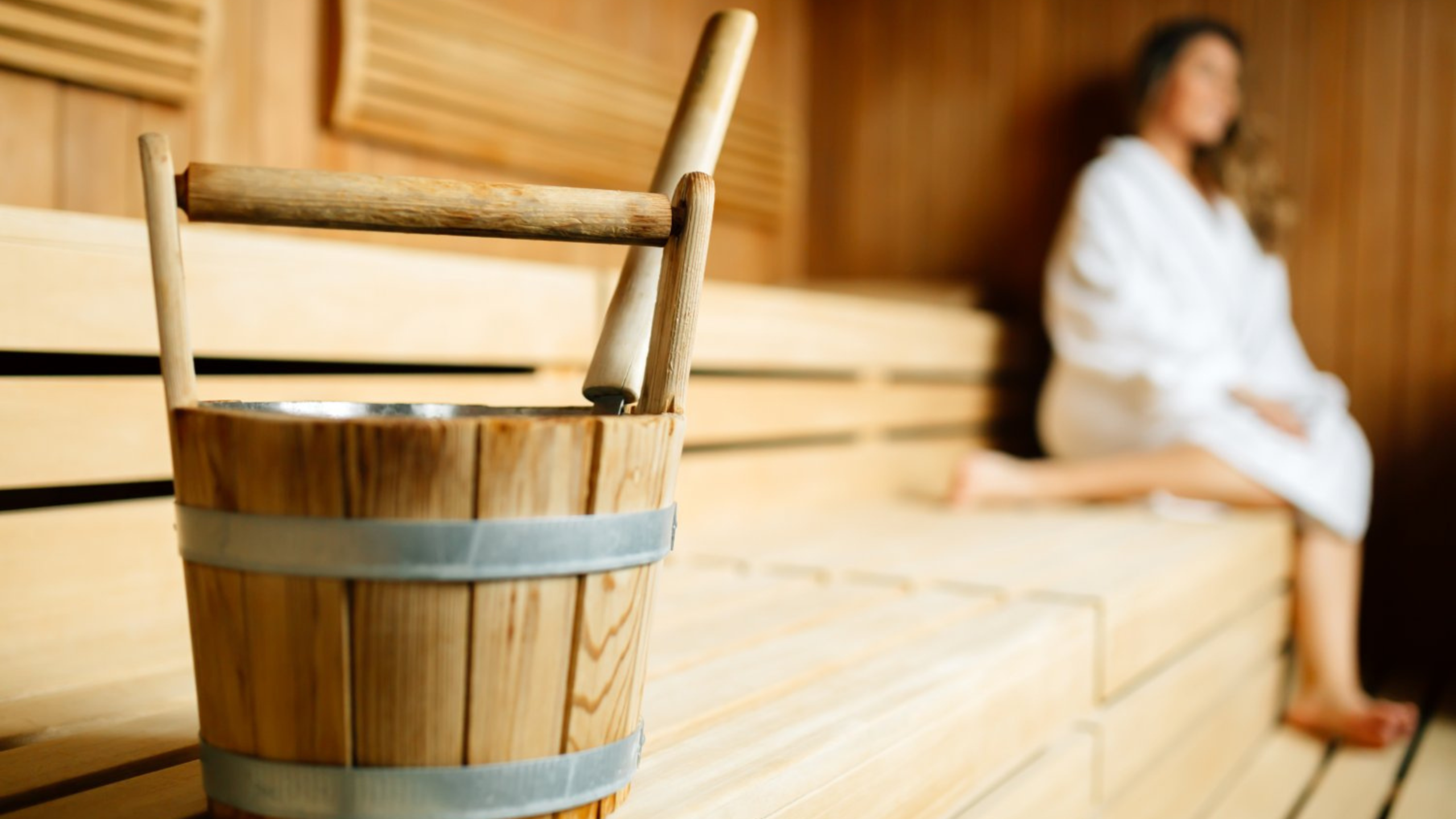
Heat and cold therapy are among the simplest non-drug approaches people can try for temporary joint discomfort.
Heat can be particularly useful when the main problem is stiffness. A warm pack may help relax surrounding muscles and make movement feel more comfortable.
Cold therapy can be useful after activity or when a painful joint feels swollen or irritated. The NHS notes that hot or cold packs may help relieve osteoarthritis pain and symptoms.
However, these methods should be used carefully.
An ice pack should not be placed directly against bare skin. Wrapping it in a towel can help protect the skin, and the NHS recommends limiting cold-pack applications to around 20 minutes at a time for general joint pain.
Similarly, heat should be comfortably warm rather than excessively hot.
Heat and cold are primarily methods for managing symptoms. They do not necessarily address the underlying cause of chronic joint problems, so persistent pain should not simply be masked indefinitely with temperature therapy.
For occasional stiffness or discomfort, however, they can be inexpensive and convenient additions to a broader self-care routine.
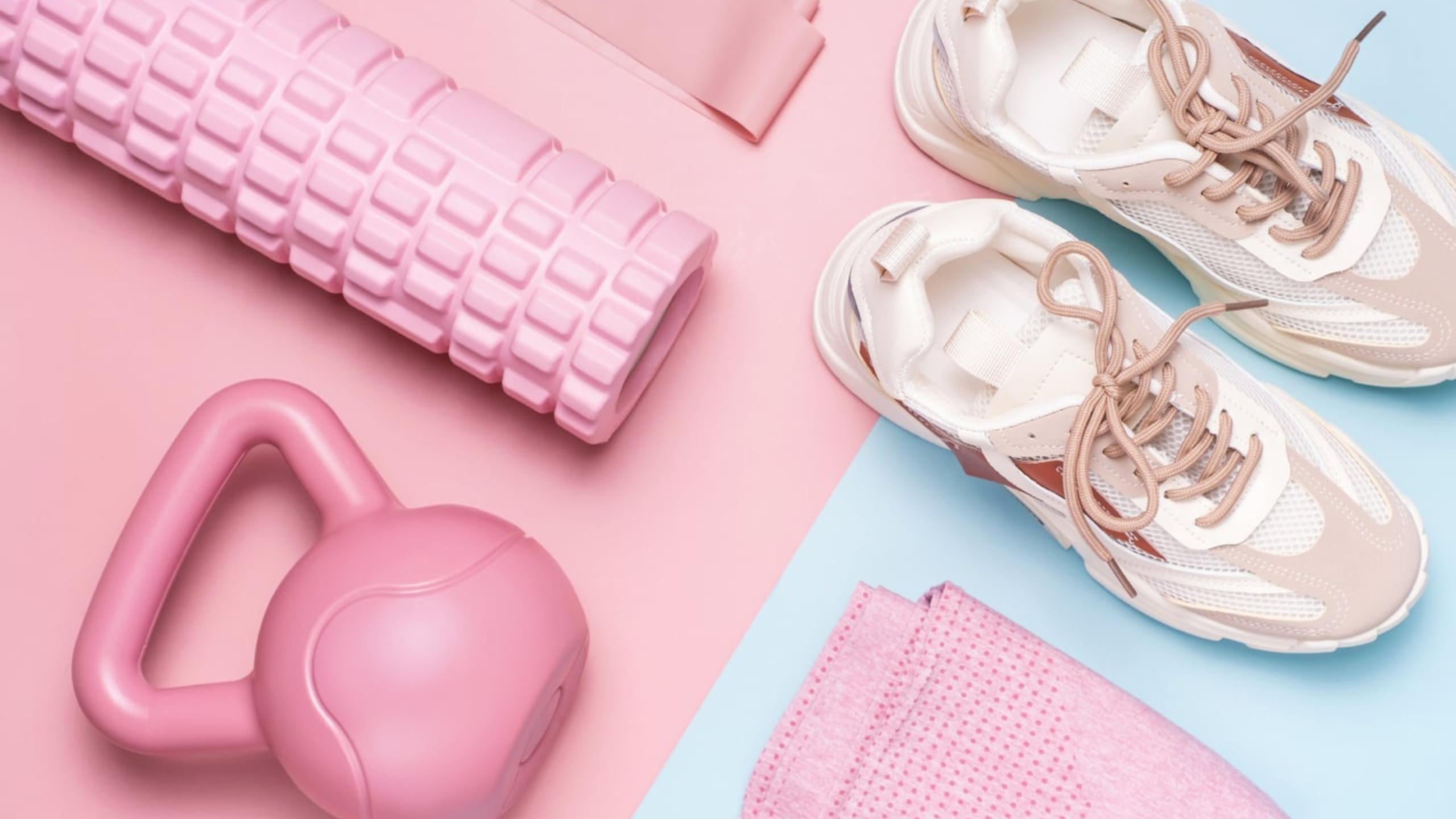 4. Improve Your Everyday Movement – Small Changes Can Matter
Joint health is not only about formal workouts. The way you move throughout the day can also influence how much stress your knees experience.
If certain movements consistently trigger discomfort, modifying the activity may help.
For example, someone with knee pain may benefit from avoiding prolonged periods of sitting followed immediately by demanding activity. Taking short movement breaks throughout the day can help prevent excessive stiffness.
Supportive footwear can also make everyday movement more comfortable, particularly for people who spend many hours standing or walking.
For individuals with more significant mobility problems, physiotherapists or occupational therapists may recommend supportive devices or modifications to make everyday activities easier.
The important principle is not to stop using the affected joint completely.
Instead, try to find ways to keep moving while reducing unnecessary strain. A gradual approach can make it easier to build confidence and maintain an active lifestyle without repeatedly overloading the joint.
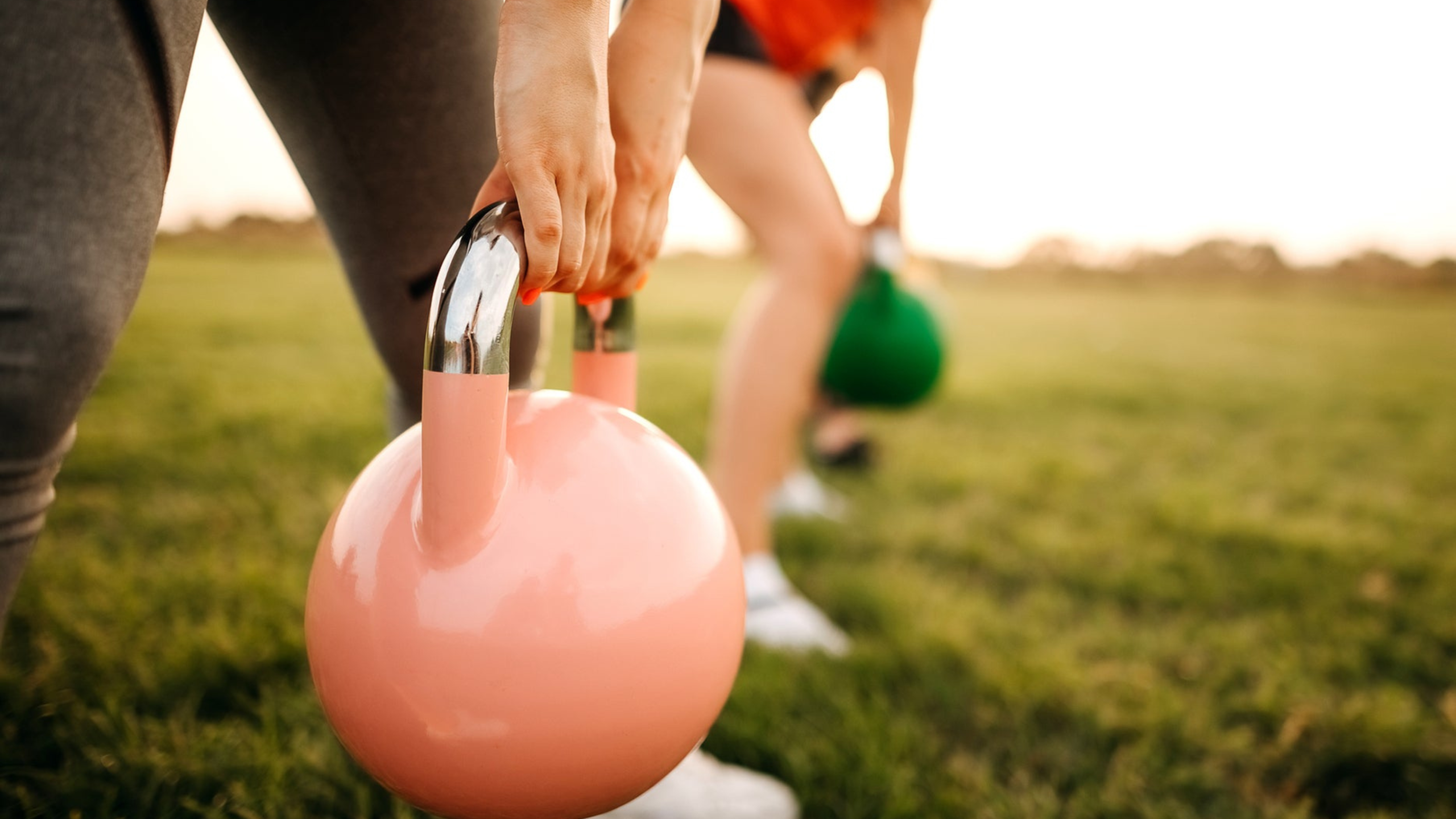 5. Build a Consistent Strength and Mobility Routine
One of the biggest mistakes people make with natural joint care is expecting occasional exercise to produce immediate results.
Joint-friendly exercise is generally more useful when it becomes a consistent routine.
A balanced programme can include three broad categories: mobility exercises, strengthening exercises and aerobic activity.
Mobility exercises can help maintain the range of movement around a joint. Strength exercises can target the muscles supporting the knee and hips, while aerobic activities such as walking, swimming or cycling can improve general fitness.
For people with knee osteoarthritis, clinical guidance supports exercise as an important part of symptom management. Exercise may initially cause a small increase in discomfort, but gradual progression and appropriate exercise selection can help improve symptoms and physical function over time.
The best routine is therefore not necessarily the most intense one.
A sustainable programme that you can perform consistently is often more practical than an aggressive workout routine that causes repeated flare-ups and gets abandoned after a few weeks.
If you are unsure which exercises are appropriate, particularly after an injury or surgery, professional guidance is recommended.
 Featured Brand: Ebene Bio-Ray – A Supportive Approach to Knee Comfort
While lifestyle habits form the foundation of natural joint-care strategies, some people also look for wearable support that can be incorporated into their daily routine.
Ebene Bio-Ray is a Malaysian brand that offers knee guards and other supportive products designed around compression, warmth and infrared-related technology. Its products include the Bio-Ray Knee Guard with Tourmaline, Extra Strength Knee Guard, Metal Support Knee Guard and Compression Knee Guard.
Rather than positioning the brand as a replacement for exercise or medical treatment, its products can be understood as supportive options for people who want additional comfort or stability during everyday activities.
For example, the Ebene Bio-Ray Compression Knee Guard is designed with compression and an anti-slip fit, with the company describing it as suitable for physical activity and knee support. The device is also registered in Malaysia’s Medical Device Register.
The brand’s Extra Strength Knee Guard focuses on enhanced heat therapy and is marketed for situations including swollen knees and joint discomfort.
Ebene’s Tourmaline Knee Guard is another option designed for daily support, with the manufacturer describing it as providing firm support and gentle compression while helping maintain warmth around the knee.
It is important to distinguish these supportive products from treatments that address the underlying cause of joint disease. A knee guard may provide support or comfort, but persistent or worsening pain still warrants appropriate medical evaluation.
For people interested in wearable support alongside an active lifestyle, Ebene Bio-Ray represents one example of how supportive equipment can fit into a broader joint-care routine.
Conclusion
Natural joint and knee pain relief does not necessarily involve complicated remedies or expensive treatments. For many people, the fundamentals remain surprisingly straightforward: keep moving, strengthen the muscles supporting your joints, manage body weight where appropriate, use heat or cold for symptom relief, and modify activities that repeatedly aggravate pain.
Exercise is particularly important because it can improve muscle strength, physical function and overall fitness while helping people remain active. For people with knee or hip osteoarthritis who are overweight, weight management can also contribute to improved symptoms.
Supportive products can also have a place in an everyday routine. Brands such as Ebene Bio-Ray offer knee guards designed around features such as compression, support and warmth, but these should be viewed as complementary tools rather than substitutes for appropriate exercise, professional assessment or medical treatment.
Most importantly, there is no single natural remedy that works for every type of joint pain. Knee discomfort caused by osteoarthritis, an injury, inflammation, infection or another medical condition may require very different approaches.
People should seek medical attention when joint pain is severe, follows a significant injury, prevents them from putting weight on the joint, or occurs alongside significant swelling, heat, fever or feeling generally unwell.
With the right combination of movement, strength, healthy habits and appropriate support, managing joint discomfort can become a long-term lifestyle strategy rather than simply a search for a quick fix.
At GlowGuide, we are committed to bringing readers the latest insights, trends, and expert perspectives across fashion, lifestyle, wellness, and various related topics. As a leading Malaysian digital media publisher, GlowGuide aims to inspire and inform audiences with engaging, high-quality content that helps them stay updated with evolving styles, modern living, and everyday trends. Whether exploring practical wellness habits, personal care, lifestyle products, or everyday health guides, GlowGuide remains your trusted destination for valuable and inspiring content.