

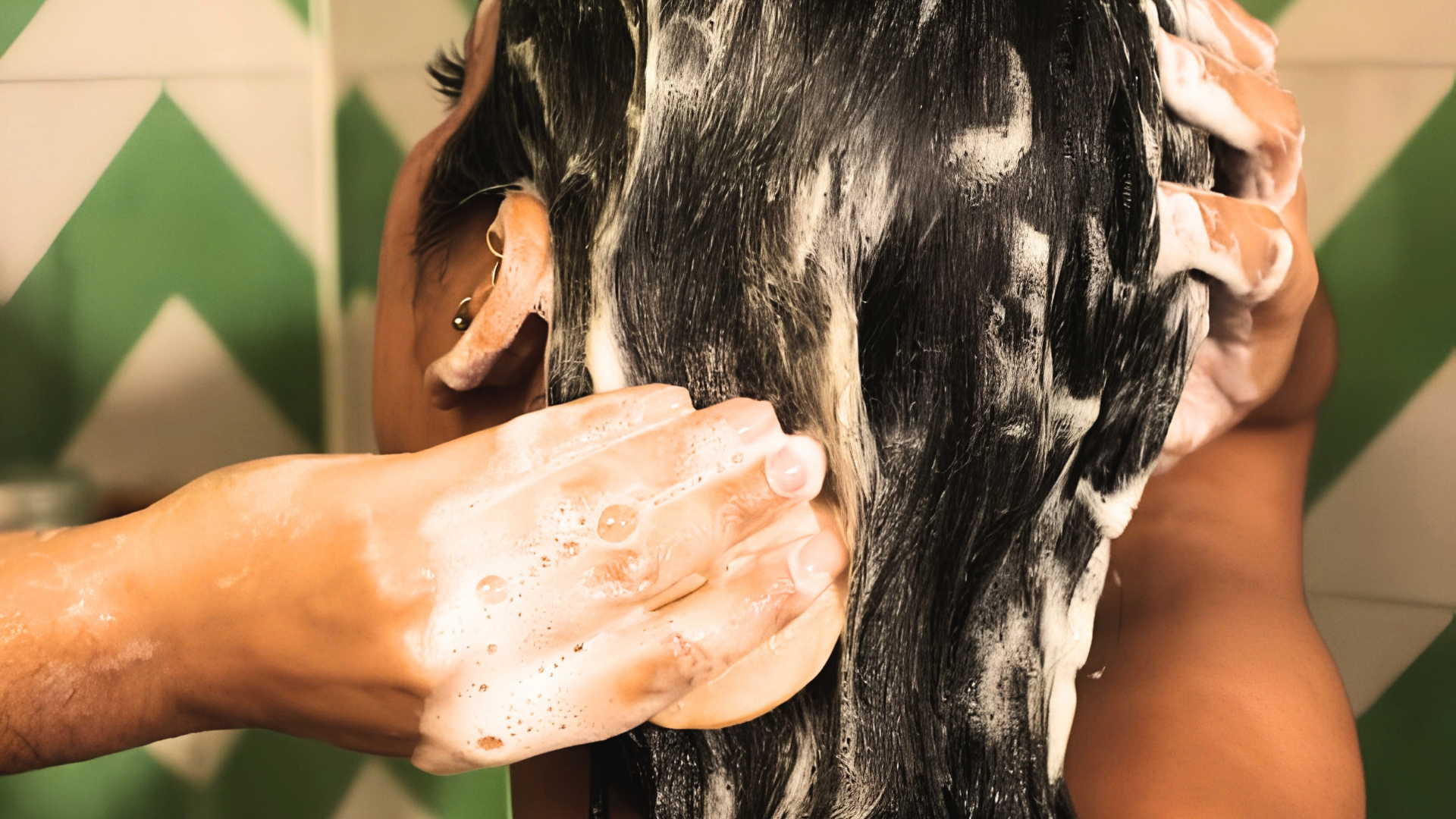
Hair loss is one of the most common appearance-related concerns for men and women, and finding an effective solution can sometimes feel overwhelming. From specialised shampoos and scalp treatments to clinically studied medications, the market is filled with products claiming to reduce shedding, strengthen hair, or encourage new growth. However, not every hair-loss product works in the same way—and some are designed to address very different problems.
Two of the most commonly discussed options are minoxidil and anti-hair-loss shampoo. While both are marketed toward people experiencing thinning hair, they should not necessarily be viewed as interchangeable treatments. Understanding the difference between them is important for anyone hoping to manage hair loss and improve the appearance of thinning areas.
Minoxidil is a topical medication that has been widely studied for certain forms of hair loss and is specifically associated with promoting or maintaining hair growth. Anti-hair-loss shampoos, on the other hand, are generally formulated to cleanse the scalp, reduce breakage, improve the condition of existing hair, and support a healthier scalp environment.
The effectiveness of either option can also depend on the underlying cause of hair loss. Genetics, hormonal changes, nutritional deficiencies, stress, certain medical conditions, and scalp problems can all contribute to shedding or thinning.
So, when comparing minoxidil vs anti-hair-loss shampoo, which one actually regrows hair? Here is what you need to know.
 1. Minoxidil – The Option Specifically Designed to Support Hair Regrowth
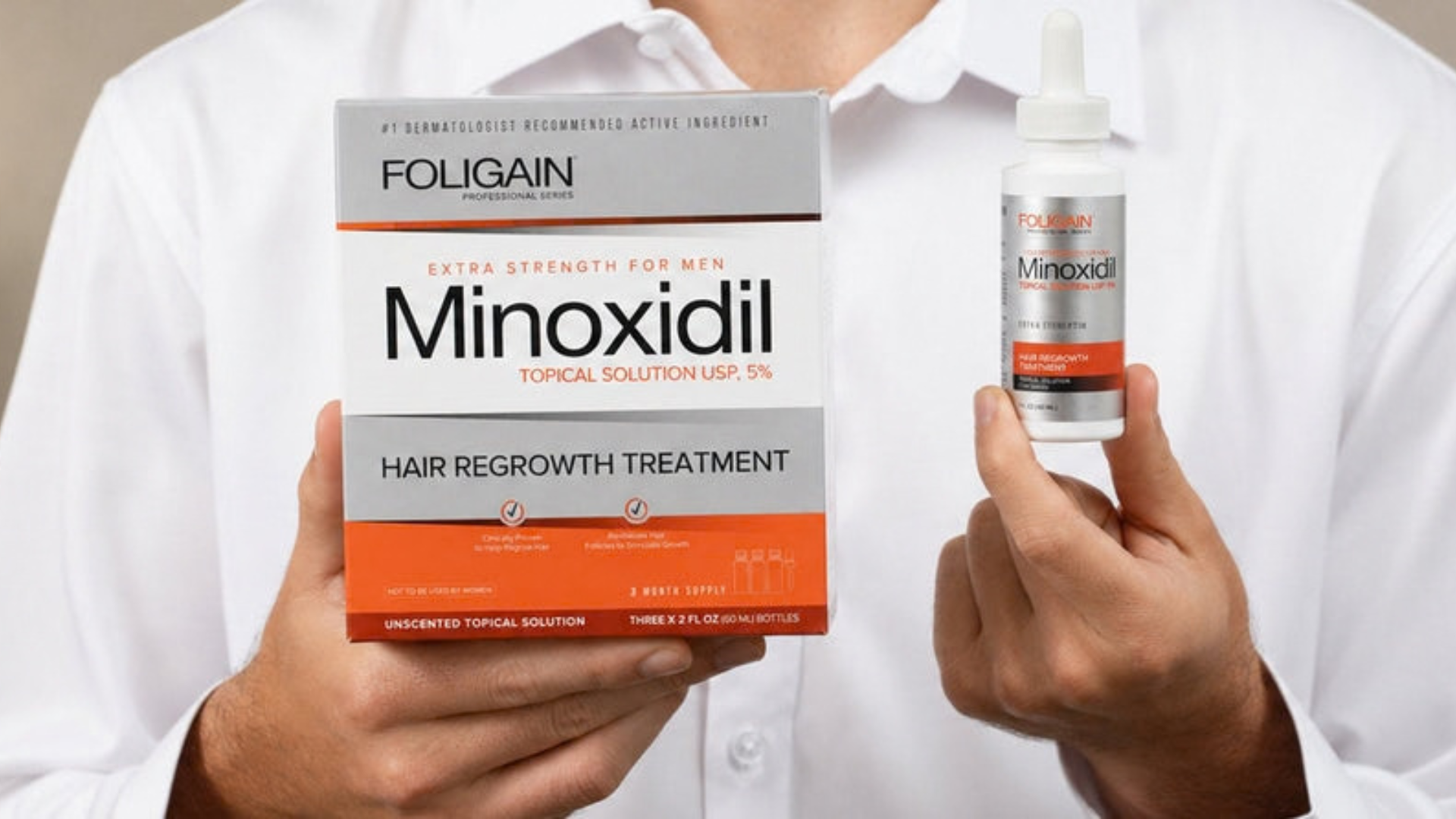
When discussing products that can actually promote hair growth, minoxidil is one of the most well-known options. Unlike ordinary shampoo, minoxidil is a topical medication specifically used for certain types of hair loss.
It is available in different formulations and concentrations, with topical solutions and foams being among the most common. Minoxidil works by affecting the hair-growth cycle and can help prolong the growth phase of certain hair follicles. This can potentially improve hair density and slow down further thinning in suitable users.
One of the most important points about minoxidil is that results are not immediate. Hair growth takes time, and users generally need to apply the product consistently over an extended period before changes become noticeable. Individual results can vary significantly depending on the cause and extent of hair loss.
Minoxidil also does not permanently cure the underlying cause of genetic hair loss. If it is discontinued, any benefits maintained by the treatment may gradually disappear.
Because minoxidil is a medication rather than simply a cosmetic hair-care product, users should follow the product instructions carefully. Some people may also experience side effects such as scalp irritation or unwanted hair growth in areas where the product comes into contact with the skin.
For people experiencing an appropriate type of hair loss and looking specifically for an option with evidence for supporting hair regrowth, minoxidil is generally a more direct choice than an ordinary anti-hair-loss shampoo.
 2. Anti-Hair-Loss Shampoo – Better for Scalp Care and Reducing Breakage
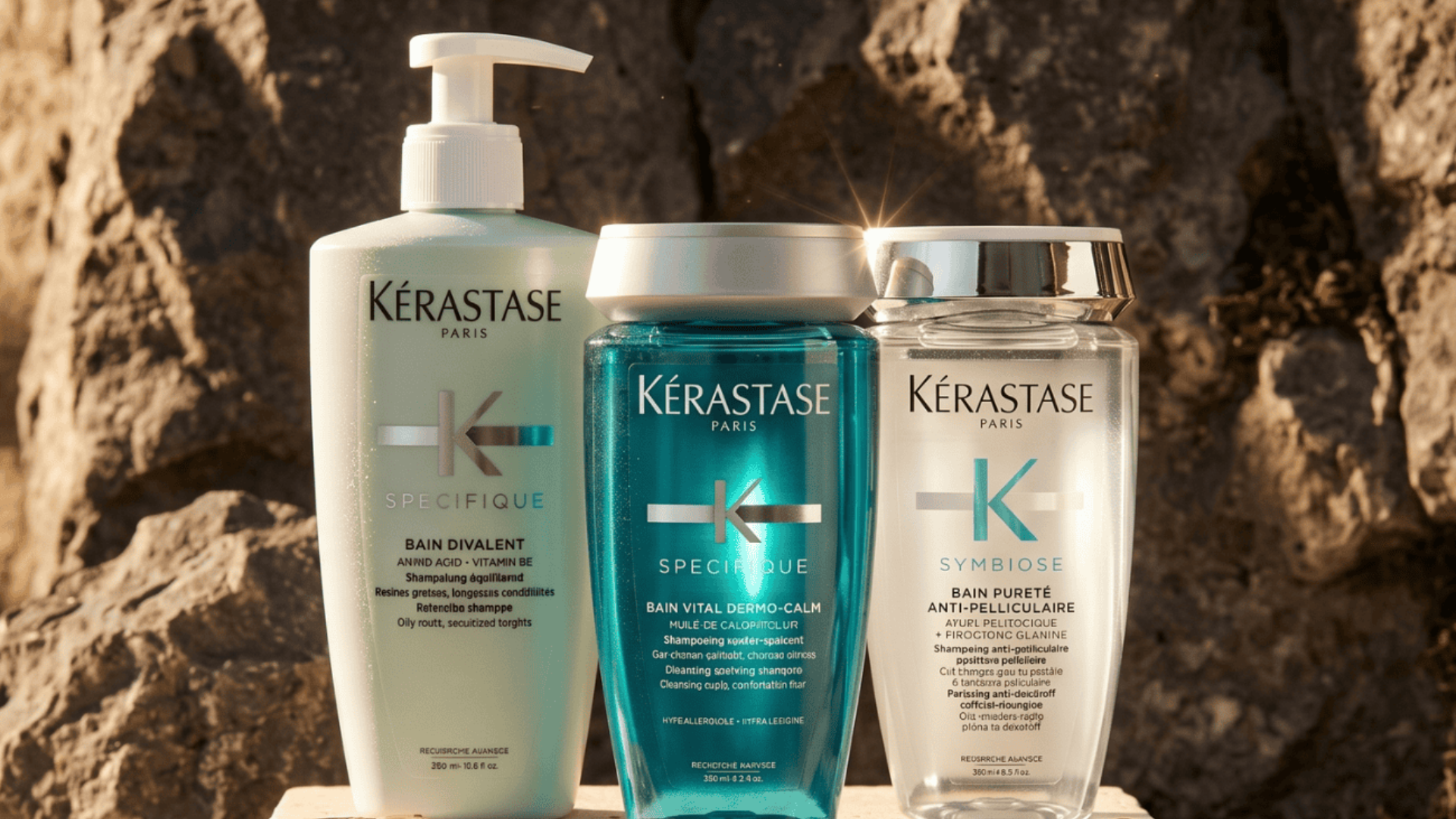
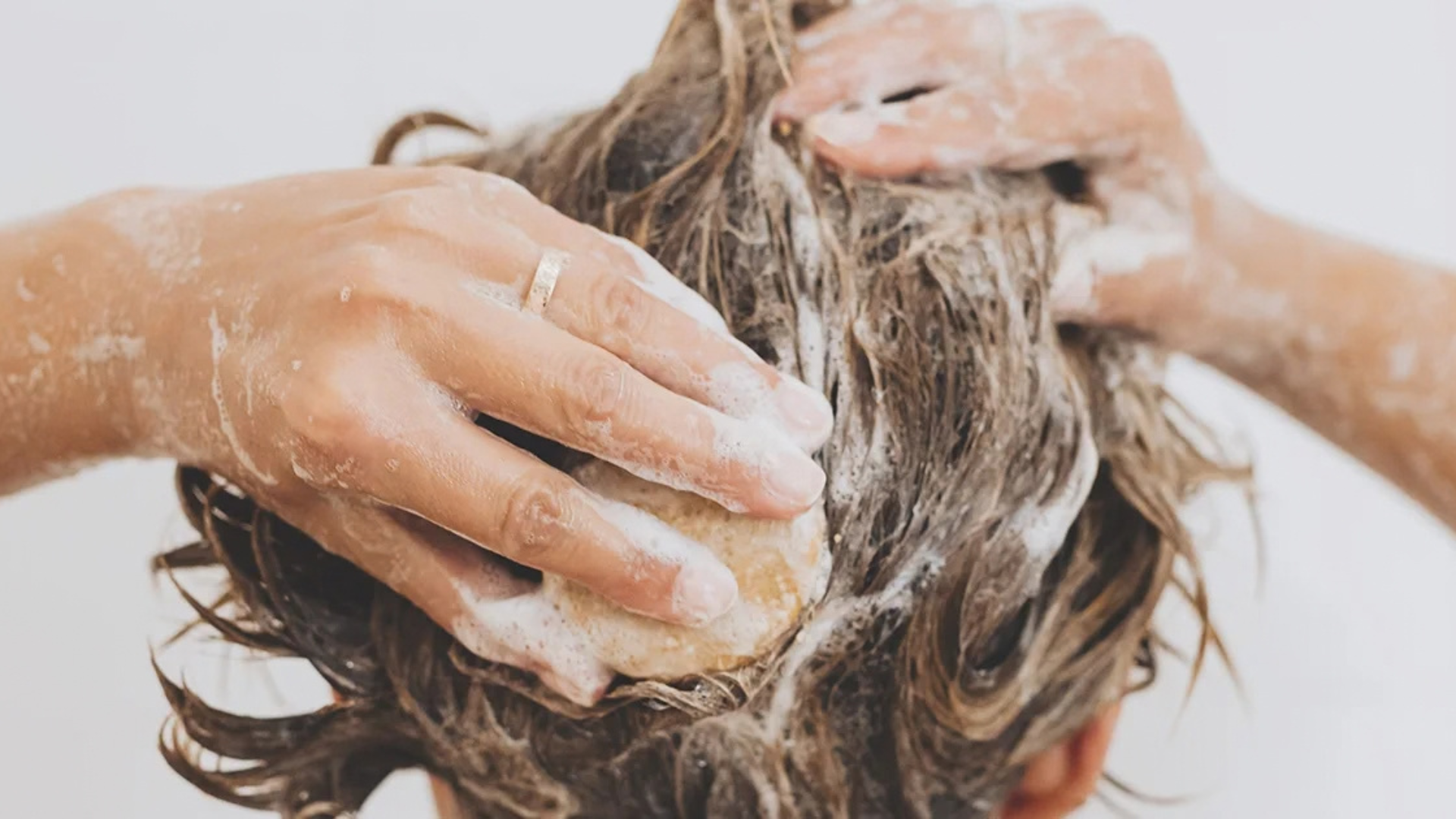
Anti-hair-loss shampoos are among the easiest products to incorporate into a daily hair-care routine. They are typically formulated with ingredients intended to cleanse the scalp, reduce buildup, improve hair condition, and minimise factors that can contribute to breakage.
However, there is an important distinction between reducing hair shedding or breakage and actually stimulating new hair growth from the follicle.
Shampoo is rinsed off relatively quickly, meaning its contact time with the scalp is much shorter than a leave-on treatment such as topical minoxidil. As a result, most anti-hair-loss shampoos should not be viewed as direct replacements for clinically established hair-loss treatments.
That does not mean they are useless. A healthy scalp and properly conditioned hair can contribute to better overall hair quality. Certain shampoos may also be useful for addressing issues such as dandruff, excess oil, or scalp irritation, depending on their formulation.
Some products contain ingredients commonly associated with hair-care and scalp-health claims, but the evidence supporting actual hair regrowth varies considerably between ingredients and formulations.
For someone experiencing mild shedding, scalp problems, or hair breakage, an appropriate shampoo can be a useful part of a broader hair-care routine. However, people experiencing progressive thinning should not assume that shampoo alone will reverse the underlying cause.
 3. Minoxidil vs Shampoo – How Do They Actually Differ?
The biggest difference between minoxidil and anti-hair-loss shampoo is their intended purpose.
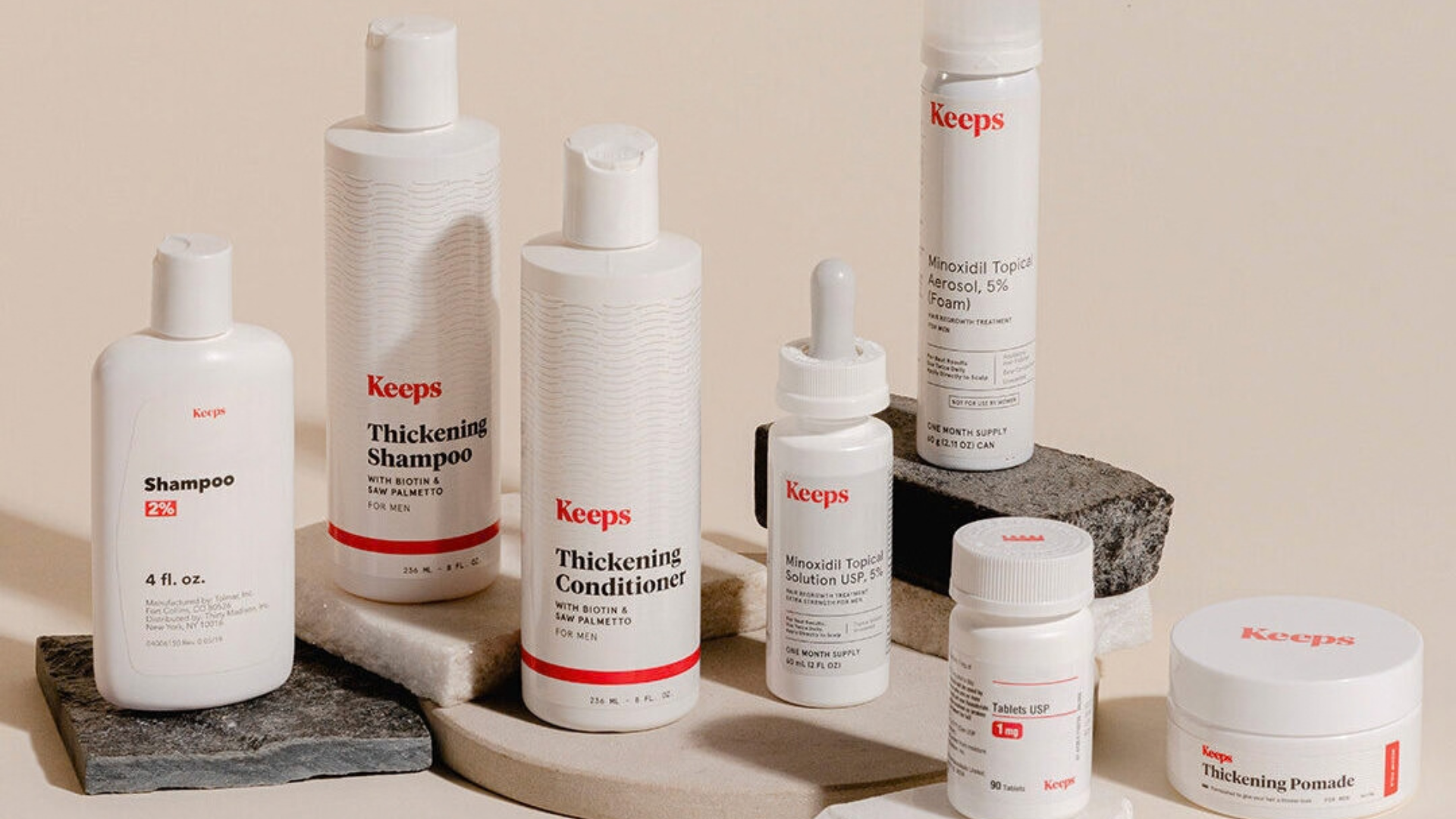
Minoxidil is a topical medication used to support hair growth in certain types of hair loss, while anti-hair-loss shampoo is primarily a cleansing and hair-care product. This means they operate at very different levels of a hair-care routine.
Minoxidil is applied directly to the scalp and is intended to remain in contact with the skin, allowing its active ingredient to work over time. Shampoo, meanwhile, is massaged into the scalp and then rinsed away as part of normal washing.
Another major difference is the strength of evidence behind their hair-regrowth claims. Topical minoxidil has been extensively studied for certain forms of hair loss, whereas the evidence for many commercial anti-hair-loss shampoos varies depending on the specific ingredients and product formulation.
This does not mean that shampoo has no value. Maintaining a clean and healthy scalp can be beneficial, particularly when scalp conditions are contributing to discomfort or increased shedding. However, improving the condition of the hair shaft is different from stimulating a shrinking hair follicle to produce thicker hair.
In simple terms, shampoo is primarily about hair and scalp care, while minoxidil is specifically intended to support hair growth.
 4. Can You Use Minoxidil and Anti-Hair-Loss Shampoo Together?
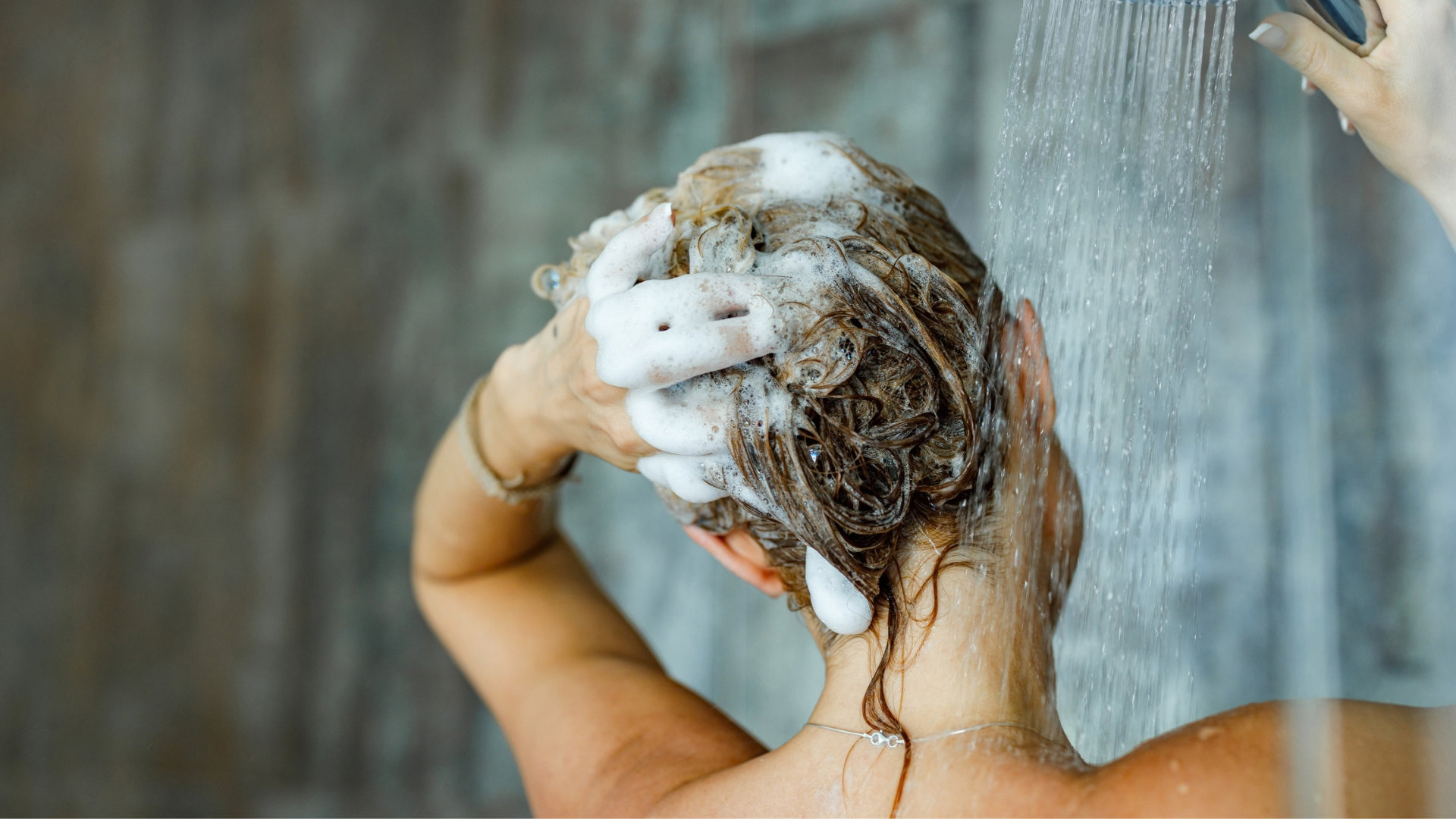
For some people, the answer can be yes. Using an appropriate shampoo does not necessarily prevent someone from using minoxidil as part of their hair-loss routine.
In fact, the two products can serve different purposes. A suitable shampoo can help keep the scalp clean and comfortable, while minoxidil can be used as the dedicated hair-growth treatment.
However, combining multiple hair-loss products does not automatically produce better results. Using too many active ingredients can potentially irritate the scalp, particularly for people with sensitive skin.
The order and timing of products can also matter. Minoxidil should be used according to its product instructions, and users should avoid washing it off immediately after application unless the specific instructions say otherwise.
It is also important to remember that not every type of hair loss is appropriate for self-treatment with minoxidil. Sudden, patchy, severe, or unexplained hair loss may require professional evaluation to identify the underlying cause.
For someone considering a combination routine, speaking with a doctor or dermatologist can help determine which products are appropriate and how they should be used.
 5. Which One Actually Regrows Hair?
If the primary goal is specifically to encourage hair regrowth, minoxidil has the stronger position between the two.
This is because minoxidil is specifically used as a treatment for certain types of hair loss, while most anti-hair-loss shampoos are designed primarily to clean the scalp and improve the condition of existing hair.
However, this does not mean minoxidil will work for everyone. Hair loss has many potential causes, and the effectiveness of treatment depends on factors such as the underlying condition, the stage of hair loss, individual response, and consistent use.
Anti-hair-loss shampoo can still have a role in a hair-care routine. It may help maintain scalp cleanliness, reduce breakage, or address specific scalp concerns depending on its ingredients. But claims that an ordinary shampoo alone can dramatically regrow genetically thinning hair should be approached carefully.
Another important consideration is expectations. Neither product should be treated as an overnight solution. Hair follicles operate according to a natural growth cycle, meaning noticeable improvements can take time.
For anyone experiencing persistent or significant hair loss, identifying the cause should come before choosing products. A dermatologist or qualified healthcare professional can determine whether the hair loss is related to genetics, scalp conditions, nutritional factors, medication, stress, or another underlying issue.
Conclusion
When comparing minoxidil vs anti-hair-loss shampoo, the key difference comes down to what each product is designed to do. Minoxidil is a topical medication with evidence supporting its use for certain forms of hair loss, while anti-hair-loss shampoo is primarily designed to cleanse the scalp and improve the condition of existing hair.
Minoxidil is therefore the more direct option for people specifically looking to support hair regrowth. However, it requires consistent use, takes time to produce noticeable results, and may not be appropriate for every type or cause of hair loss.
Anti-hair-loss shampoo, meanwhile, can be a useful addition to a broader hair-care routine. It can help maintain scalp hygiene, manage certain scalp concerns, and reduce hair breakage depending on its formulation, but it should not automatically be considered a hair-regrowth treatment.
Ultimately, choosing the right approach depends on the reason behind the hair loss. Rather than relying solely on marketing claims, consumers should look at the active ingredients, available evidence, expected results, and potential side effects before choosing a product.
If hair loss is sudden, severe, patchy, or continuing despite changes to your hair-care routine, seeking advice from a doctor or dermatologist is recommended. Identifying the underlying cause can make it much easier to choose an appropriate treatment.
At GlowGuide, we are committed to bringing readers the latest insights, trends, and expert perspectives across fashion, lifestyle, beauty, and various related topics. As a leading Malaysian digital media publisher, GlowGuide aims to inspire and inform audiences with engaging, high-quality content that helps them stay updated with evolving styles, modern living, and everyday trends. Whether exploring skincare essentials, hair-care solutions, emerging beauty movements, or practical lifestyle guides, GlowGuide remains your trusted destination for valuable and inspiring content.